Growing green beans starts with one big question: which type do you plant. Bush beans and pole beans grow very differently. That choice shapes everything from trellising to harvest timing.
According to university extension guidelines, green bean seeds need soil temperatures between 60°F and 85°F for reliable germination. Bush beans mature in 50 to 55 days. Pole beans take about 60 to 65 days but yield three to five times more over a season.
Knowing these numbers helps you pick the right approach from the start.
Quick Answer
Growing green beans means choosing bush or pole types. Bush beans need no support and produce fast. Pole beans climb trellises and yield more.
Both need full sun and warm soil. Plant seeds one inch deep after frost passes.
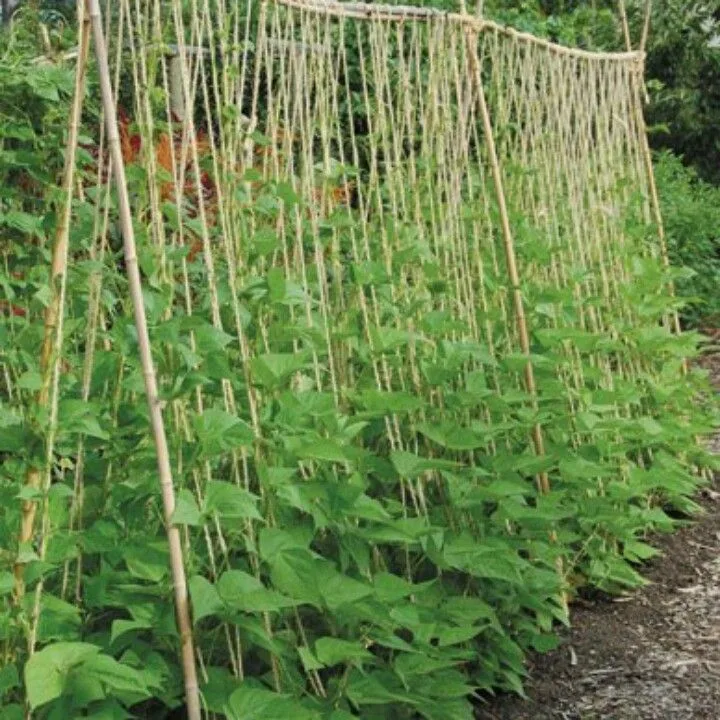
Image source: Bing (Web (fair-use with source credit))
Bush Beans or Pole Beans? Pick the Right Type First
This choice determines your trellis needs, harvest timeline, and total yield. Here is how each one works in a real garden.
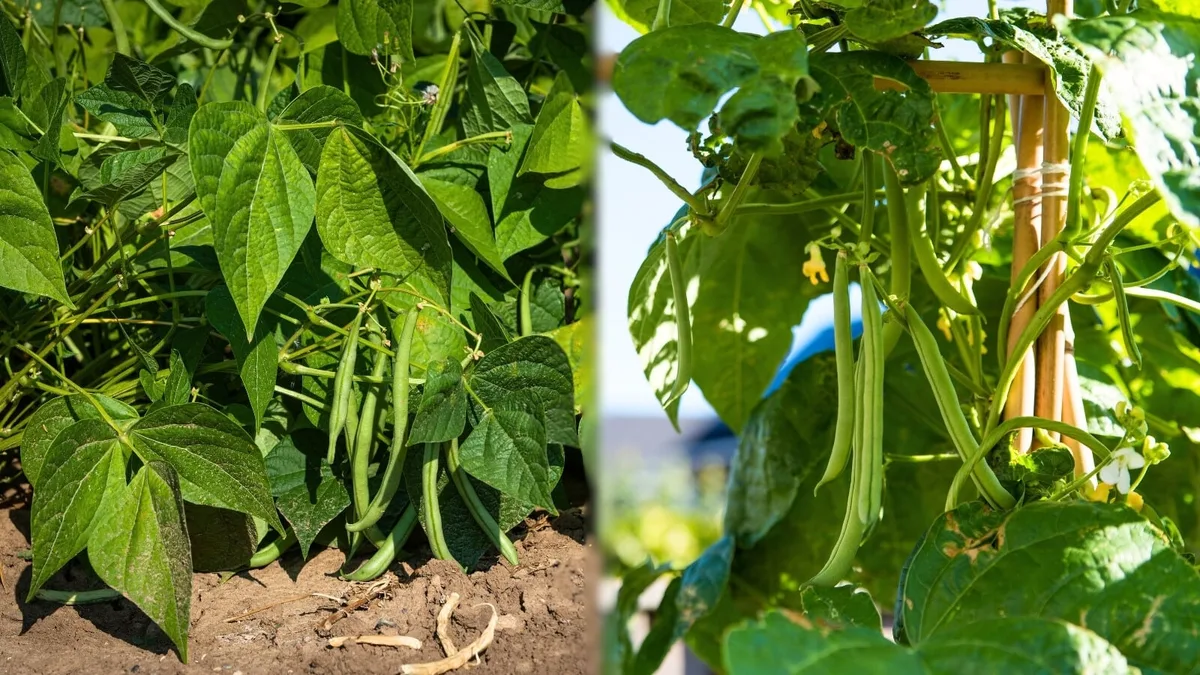
Image source: Web (Bing) / epicgardening.com (Web image (fair-use with source credit))
Bush Beans: The Quick and Easy Option
Bush beans grow 12 to 24 inches tall and support themselves without any help. They produce all their pods in a tight window of about two to three weeks. That makes them perfect if you want one big harvest for canning or freezing.
Bush beans also grow very well in containers and raised beds with shallow soil.
Pole Beans: The High-Yield Climbing Option
Pole beans climb six to ten feet tall and need a sturdy trellis from day one. They produce pods steadily for six weeks or more. That extended harvest is ideal for fresh eating all season long.
Pole beans yield three to five times more per square foot than bush varieties.
| Comparison | Bush Beans | Pole Beans |
|---|---|---|
| Height | 12 to 24 inches | 6 to 10 feet |
| Trellis needed | No | Yes |
| Harvest window | 2 to 3 weeks | 4 to 6 weeks |
| Yield per 10 foot row | 5 to 10 pounds | 15 to 25 pounds |
| Best for | Quick harvest, containers | Small spaces, continuous picks |
Choose bush beans when you have limited time or want minimum fuss. Choose pole beans when you can build a vertical support and want to maximize every square foot of garden space.
Containers, Raised Beds, or Ground: Match Your Setup to Your Space
Your growing location changes how you plant, water, and support green beans. Each setup has its own rules.
Growing Green Beans in Containers
Use a pot that holds at least five gallons of soil. Drill drainage holes if they are not already there. Fill with a quality potting mix, not garden soil, which compacts too much in containers.
Bush beans are the safer choice for pots because they stay short and do not need a trellis. Water containers more often since they dry out faster than ground soil.
Growing Green Beans in Raised Beds
Raised beds give you excellent drainage and warm soil earlier in spring. Make sure the bed is at least eight to ten inches deep so roots have room to spread. Both bush and pole beans grow well here.
Install trellises at planting time for pole varieties. A cattle panel or bamboo teepee works great.
Growing Green Beans Directly in the Ground
In ground gardens need well draining soil in full sun. Loosen the soil about ten inches deep and remove any rocks or clumps. Raised rows help with drainage if your native soil stays wet.
Both bean types work, though bush beans are easier if you do not want to build a big trellis. Space rows far enough apart to walk between them for harvesting.
Planting Green Beans: Timing, Spacing, and Step by Step
Planting green beans is straightforward once you get the timing right. The single biggest mistake is sowing seeds too early.
Wait until the soil temperature reaches at least 60°F at a two inch depth. A soil thermometer is a cheap tool that saves you from rotting seeds. Per Purdue University Extension guidelines, beans planted in cold soil often fail to germinate.
Plant after your last frost date, usually one to two weeks after tomatoes or peppers go in.
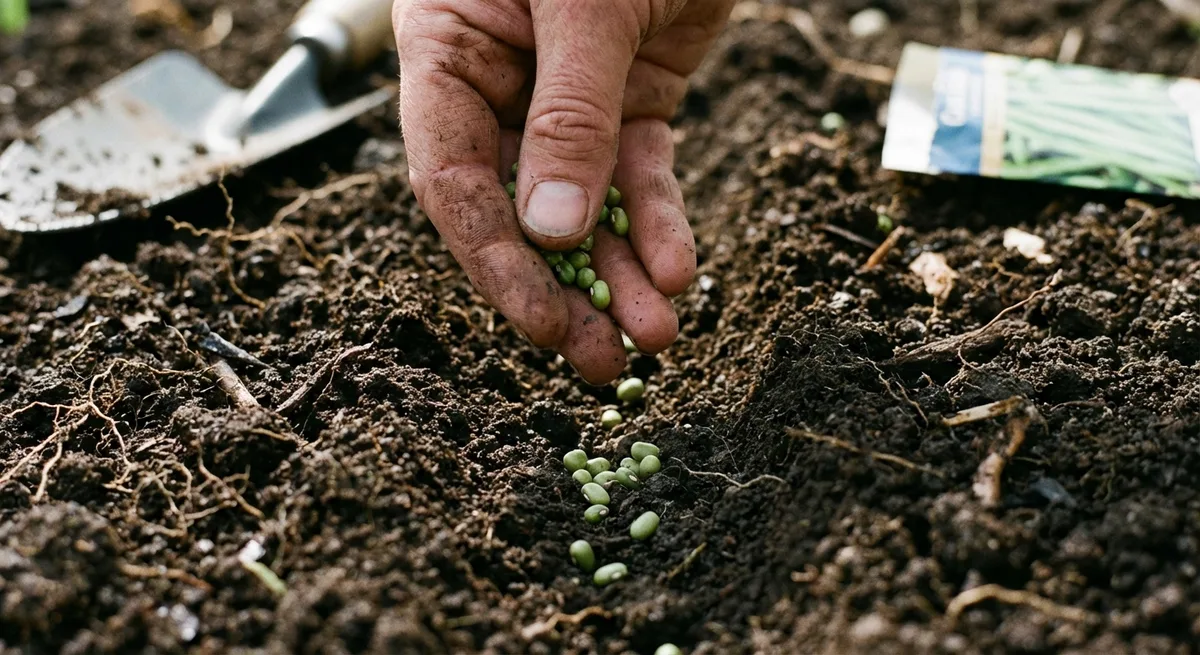
Image source: Web (Bing) / greenbeansnmore.com (Web image (fair-use with source credit))
Sow seeds one to one and a half inches deep. Push them in with your finger and cover lightly with soil.
- Bush bean spacing: 2 to 4 inches apart, rows 18 to 24 inches apart.
- Pole bean spacing: 3 to 6 inches apart at the base of a trellis, rows 24 to 36 inches apart.
- Container spacing: 3 to 4 seeds per five gallon pot, thin to strongest 2 to 3 plants.
Water the soil gently after planting. Keep it moist but not soggy. Seeds usually sprout in 5 to 10 days when soil is warm.
If you see overnight temperatures dipping below 50°F, cover the bed with row cover fabric until conditions stabilize.
Caring for Green Beans Through the Season: Water, Trellis, and Feed
Green beans are low maintenance once they are up and running. But a few key habits make the difference between a decent crop and a great one.
Watering. Give beans about one to two inches of water per week. Deep, consistent watering is better than light sprinkles. Drip irrigation or a soaker hose keeps water off the leaves, which reduces disease risk.
Mulch around the plants with straw or shredded leaves to hold moisture and block weeds.
Trellising. If you planted pole beans, train the young vines onto the trellis as soon as they reach six inches tall. They will grab on by themselves once they find the support. Guide any wandering tendrils back toward the structure each week.
As of 2026, vertical gardening methods continue to gain popularity for small space food production.
Fertilizing. Beans are light feeders. They fix their own nitrogen from the air using beneficial soil bacteria. Adding a high nitrogen fertilizer actually encourages leaves over pods.
If your soil is decent to begin with, skip the fertilizer entirely. Only side dress with a little compost if the leaves look pale or growth stalls during flowering.
Weeding. Keep the bean bed weed free for the first four to five weeks. After that, the canopy shades out most competition. Pull weeds by hand or use a shallow hoe.
Bean roots stay close to the surface, so do not dig deep.
Common Green Bean Mistakes and Troubleshooting
Even experienced gardeners run into problems with beans. Here are the most frequent issues and what to do about them.
Pests and Diseases That Show Up Mid Season
Bean leaf beetles are small oval pests that chew round holes in leaves. Handpick them in the morning when they move slowly. A strong spray of water knocks aphids off the undersides of leaves.
Spider mites show up during hot, dry weather and cause stippled yellow leaves. Insecticidal soap works well if you catch them early.
Powdery mildew looks like white powder on the leaves. It thrives when air circulation is poor and humidity is high. Space plants according to the recommendations above and water at ground level, not overhead.
Remove badly infected leaves and toss them in the trash, not the compost pile.
Environmental Stress and Poor Germination
Seeds that rot in the ground almost always mean the soil was too cold or too wet. Wait until the soil warms up. Seeds planted deeper than two inches struggle to push through.
Plant at the one inch depth for most soil types.
Blossom drop happens when temperatures climb above 90°F or when plants get too dry. Provide consistent water during flowering. A layer of mulch helps keep roots cool.
If a heat wave hits, shade cloth over the bed can protect blooms and keep pods forming.
Yellow lower leaves on mature plants are normal. But if whole plants turn yellow, check your watering. Both overwatering and underwatering cause this symptom.
Stick your finger two inches into the soil. If it feels dry, water. If it feels wet, wait.
Harvesting Green Beans: When to Pick and How to Keep Yields Coming
Picking green beans at the right time makes all the difference in flavor and texture. You want pods that are firm, crisp, and snap cleanly in half. They should be about the thickness of a pencil, before the seeds inside bulge visibly through the pod walls.
Check your plants every two to three days once harvest begins. Beans mature fast, and pods can go from perfect to tough and stringy in just a couple of days. Pick in the morning when the plants are cool and fully hydrated.
The pods hold their crispness better that way.
Use two hands to harvest. Hold the stem with one hand and pull the pod gently with the other. This prevents tearing the vine or breaking off unripe buds.
For pole beans, work your way up the trellis from the bottom, since lower pods usually mature first.
| Growth Type | Harvest Start | Pick Frequency | Total Window |
|---|---|---|---|
| Bush beans | 50 to 55 days | Every 2 to 3 days | 2 to 3 weeks |
| Pole beans | 60 to 65 days | Every 2 to 3 days | 4 to 6 weeks |
The harvest window for bush beans is short, so have your canning or freezing plan ready before planting. Pole beans spread production out over a month or more. You can eat fresh for weeks and still have plenty left to preserve.
For the longest production, keep picking. Beans that stay on the vine tell the plant to stop producing new pods and put energy into maturing seeds instead. Remove every pod you find, even the oversized ones you won't eat.
Toss the tough ones in the compost pile after breaking them open.
Green Bean Growing FAQs
How long do green beans take to grow from seed?
Bush beans mature in 50 to 55 days. Pole beans take 60 to 65 days. Both germinate in 5 to 10 days when soil temperatures sit between 70°F and 80°F.
Cooler soil slows germination down significantly.
Can you grow green beans in containers?
Yes, bush beans work great in pots. Use a container that holds at least five gallons and has drainage holes. Fill it with good potting mix and keep it consistently watered.
Pole beans need a tall, sturdy trellis that anchors into the pot, which is harder to manage.
Do green beans need full sun?
Yes, green beans produce best with at least six to eight hours of direct sunlight daily. They tolerate some afternoon shade, especially in hot climates, but yields will drop. More sun means more flowers, which means more pods.
Why do my green beans have flowers but no pods?
This usually points to poor pollination. High heat above 90°F causes blossoms to drop before they set. Irregular watering does the same thing.
Keep the soil consistently moist and consider shade cloth during extreme heat waves.
Should you soak green bean seeds before planting?
Soaking is optional and rarely necessary. Fresh seeds germinate reliably when planted at the right depth and soil temperature. In fact, soaking seeds in cold, wet conditions can cause them to rot.
Skip the soak and plant dry seeds directly.
Do green beans need nitrogen fertilizer?
No, green beans fix their own nitrogen through a symbiotic relationship with soil bacteria. Extra nitrogen encourages leafy growth at the expense of pods. Only add compost if the soil is poor or the plants look stunted and pale.