So you want to grow cucumbers. If you've ever wrestled with growing cucumbers, you know the frustration of bitter fruit, powdery mildew, or a vine that just refuses to produce. The good news?
Most cucumber problems come down to one or two simple decisions you make before the seed even goes in the ground.
For instance, soil temperature is a non-negotiable. Per the University of Minnesota Extension, cucumbers need the soil at a steady 70°F or warmer to germinate well. Plant them too early into cold dirt, and you are asking for rot.
Get that foundation right, and the rest becomes a lot easier.
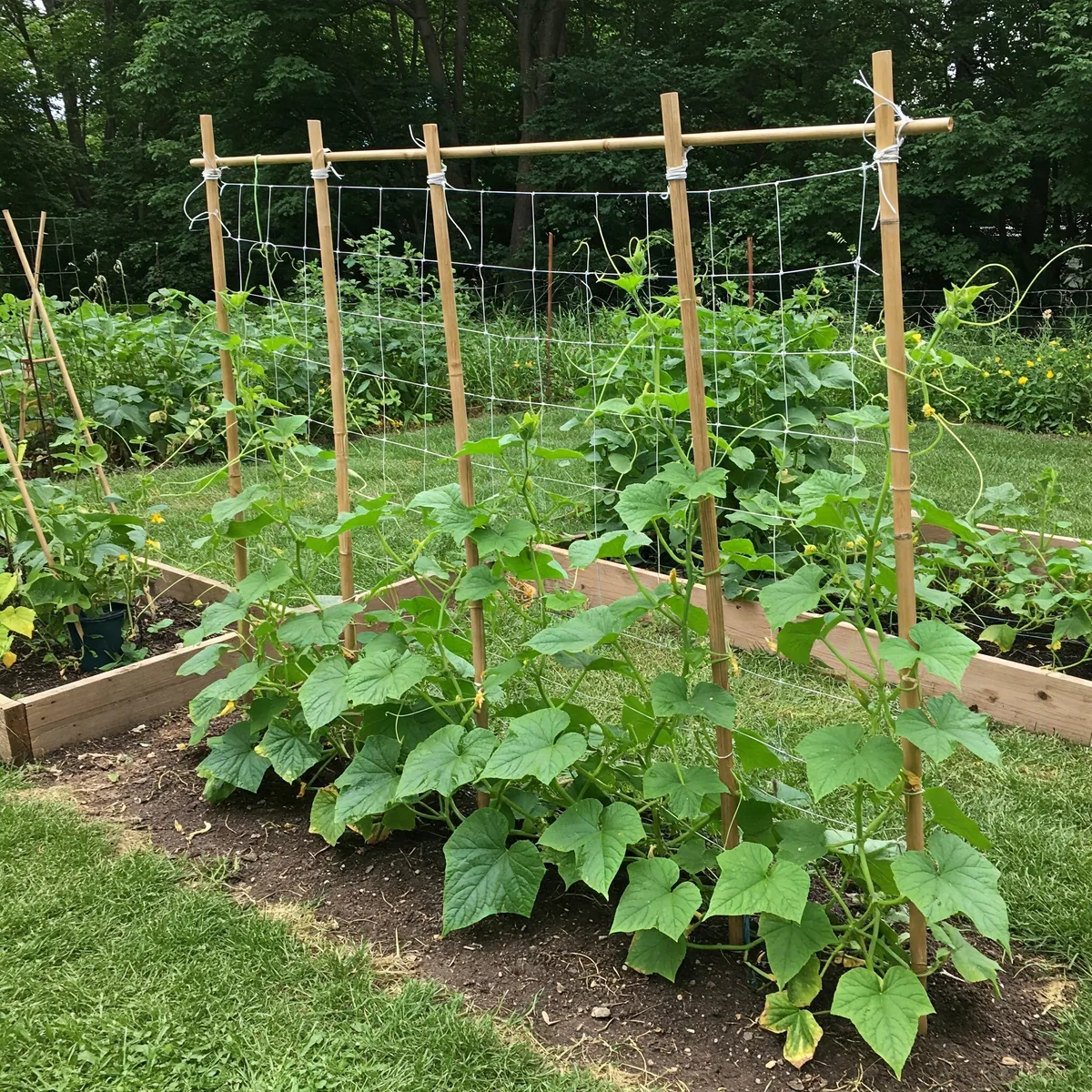
Image source: Web (Bing) / gardeneros.com (Web image (fair-use with source credit))
Quick Answer
Pick a type that fits your garden. Give plants 6 to 8 hours of sun. Water at the roots, not the leaves.
Put up a trellis early. Harvest every few days.
Why Cucumbers Fail – And the One Right Decision That Fixes It
Cucumber failure usually comes in three flavors: bitter fruit, no fruit at all, or a plant that dies from disease before it produces much. The most common cause for all three is planting the wrong type for your situation. The single best decision you can make is matching the variety to your available space, your eating preferences, and your climate.
Choose the Right Type for Your Needs
| Type | Best For | Growth Habit | Pollination |
|---|---|---|---|
| Slicing | Fresh eating in salads | Vining, needs trellis | Open-pollinated |
| Pickling | Canning and brining | Vining, heavy yield | Open-pollinated |
| Bush | Containers and small beds | Compact, no trellis needed | Open-pollinated |
| Parthenocarpic | Greenhouses or isolated beds | Vining, sets fruit without pollinators | Self-pollinating |
Slicing varieties like Marketmore are the standard for backyard gardens. Vining types produce more fruit over a longer season, but they need support. Bush cucumbers, like Bush Champion, stay small and work well for balconies.
Parthenocarpic types are a lifesaver if you are growing in a screened greenhouse where bees cannot reach them. Per the Royal Horticultural Society, consistent moisture is also critical for avoiding bitterness. The right decision here eliminates most of your stress before the plant even breaks soil.
Your Cucumber Decision Tree: Pick Your Path
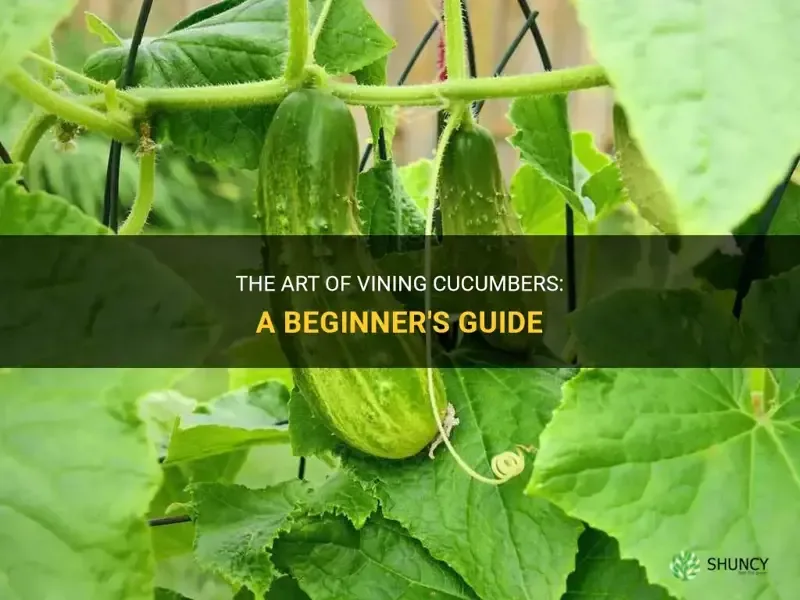
Image source: Web (Bing) / fity.club (Web image (fair-use with source credit))
Answer these three questions honestly. Your answers will point you to the right method.
Question 1: How much space do you have?
- If you have a large garden bed (4×4 feet or more), plant a vining slicing or pickling type. They need room to spread or a trellis.
- If you have a small balcony, patio, or a single container, choose a bush variety. One bush cucumber fits a 5-gallon pot nicely.
Question 2: What will you do with the cucumbers?
- If you want fresh salads all summer, go with a slicing variety.
- If you plan to make pickles, pick a pickling type. They produce a ton of smaller fruit.
- If you just want cucumbers for snacking, a parthenocarpic variety is convenient because it does not need bees.
Question 3: How much time can you spend on maintenance?
- If you can check plants every day, vining types with trellises are worth the effort.
- If you want a low-touch plant, bush varieties need less staking and pruning.
This is your decision tree. Follow the branches that match your reality.
From Seed to Salad: Timeline for Each Branch You Choose
The timeline from seed to harvest looks similar for most cucumber types, but vining varieties tend to start producing a week or two later than bush types. Here is a general schedule based on seeding after the last frost date.
| Phase | Vining Types | Bush Types |
|---|---|---|
| Germination | 7 to 10 days | 7 to 10 days |
| Thin to final spacing | 2 weeks after sprouting | 2 weeks after sprouting |
| First flowers appear | 4 to 5 weeks | 3 to 4 weeks |
| First harvest | 55 to 65 days | 50 to 55 days |
After the first harvest, both types will produce continuously if you keep picking. A vining plant can yield for 6 to 8 weeks. A bush plant usually produces all its fruit in a 3 to 4 week window.
For a steady supply, consider succession planting. Sow a new batch of seeds every 3 weeks. That is a pro move for extending your harvest season well into late summer.
The Three Mistakes That Trip Up Most Gardeners
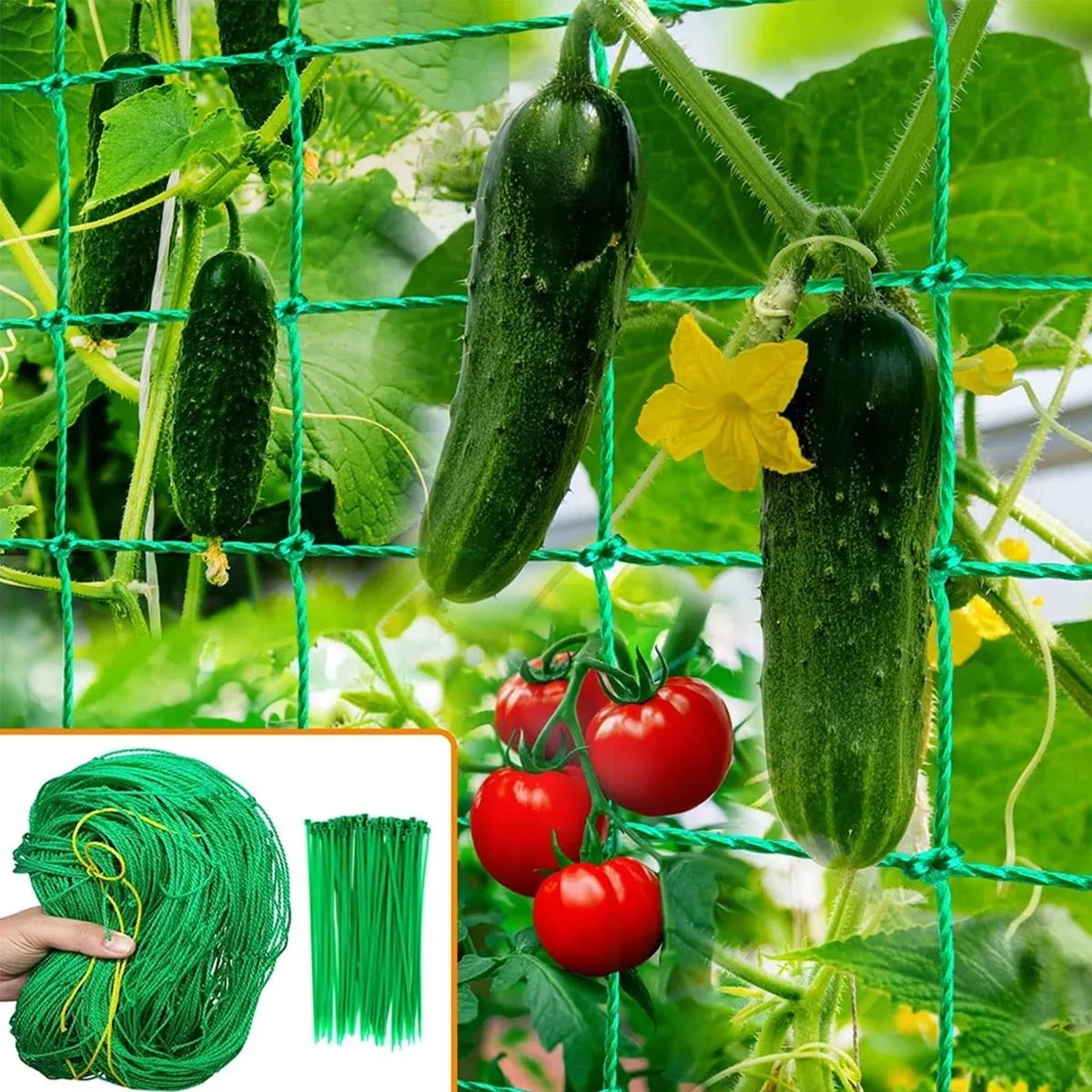
Image source: Web (Bing) / walmart.com (Web image (fair-use with source credit))
Even with the right variety and a good plan, three common mistakes can sabotage your crop.
1. Watering overhead.
Wet leaves are a breeding ground for powdery mildew and downy mildew. These fungal diseases can wipe out a plant in a week. Always water at the base of the plant.
Use a drip line or a soaker hose. Water in the morning so any splashes dry fast.
2. Planting too close together.
Cucumbers need airflow around their leaves to stay dry and healthy. If you crowd them, the leaves stay humid and diseases take hold. Space vining types 12 to 24 inches apart.
Space bush types 18 to 24 inches apart. Follow the seed packet spacing. It exists for a reason.
3. Skipping the trellis.
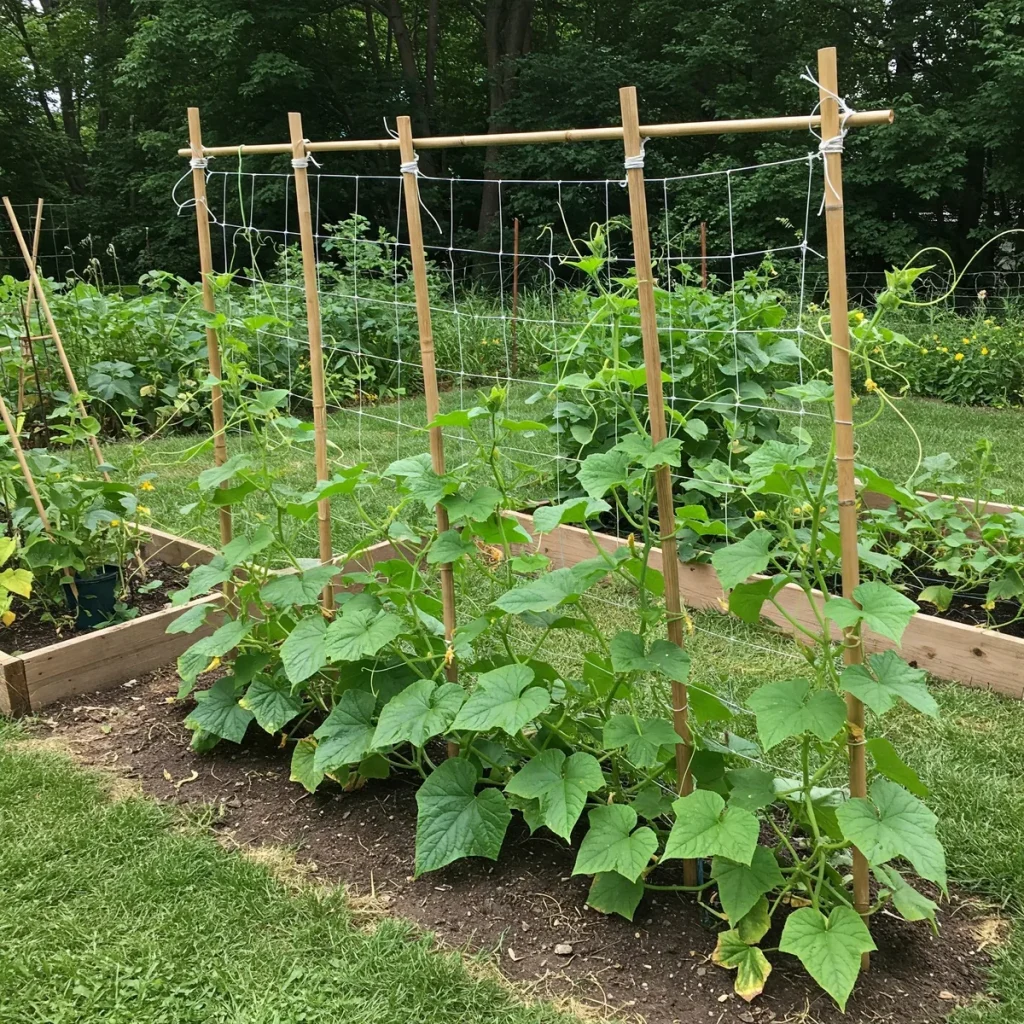
A trellis is not optional for vining cucumbers. Fruit that sits on wet soil rots or gets eaten by ground pests. A trellis also exposes leaves to more sunlight, which boosts yield.
Install your trellis at planting time. Adding it later is a pain and can damage the vines.
Avoid these three, and you are already ahead of most home gardeners.
Pro Tips from a Seasoned Cucumber Grower
If you have the basics dialed in, these extra practices push your yield higher and your problems lower.
Use row covers early. Lightweight floating row covers protect young plants from cucumber beetles. Leave them on until the first flowers appear, then remove them so pollinators can reach the blooms. This one trick cuts pest pressure dramatically in the first few weeks.
Mulch like you mean it. A 2 to 4 inch layer of straw or shredded leaves keeps the soil cool and moist. Cucumber roots hate heat, and midsummer sun can cook shallow roots without mulch. Mulch also stops soil from splashing onto leaves during rain, which reduces disease spread.
Harvest every single day. When you let a cucumber get overripe (fat, yellow, or seedy), the plant gets the signal that its job is done. It stops producing new fruit. Pick them at 4 to 8 inches depending on the variety.
Miss a few days and your plant goes into retirement early.
Keeping Your Plants Productive All Season (Maintenance by Branch)
Your maintenance routine depends on which path you chose from the decision tree.
For vining types on a trellis:
- Water deeply 2 to 3 times per week, always at the base.
- Apply a balanced 10-10-10 fertilizer when the first flowers appear. Then feed again every 3 to 4 weeks until harvest slows.
- Prune off the lower leaves once the plant reaches the top of the trellis. This improves air circulation and makes pests easier to spot.
- Check the trellis ties every week as the vines grow heavy with fruit.
For bush types in containers:
- Water daily in hot weather. Containers dry out fast.
- Use a slow-release granular fertilizer mixed into the potting soil at planting time. Supplement with a liquid feed every 2 weeks once fruiting starts.
- No pruning needed. Just remove any yellow leaves at the bottom.
- Watch for containers tipping over in strong wind. Move them to a sheltered spot if needed.
For parthenocarpic types in a greenhouse:
- Hand pollination is not needed. That is the whole appeal.
- Watch humidity levels. Greenhouses trap moisture, which invites powdery mildew. Ventilate on warm days.
- Water with a drip system to keep foliage dry.
Frequently Asked Questions
Why are my cucumbers bitter and what can I do about it?
Bitterness comes from stress, usually uneven watering or extreme heat. Cucurbitacin, the bitter compound, builds up when the plant is struggling. Keep the soil consistently moist.
Water deeply each time. If a cucumber is already bitter, peel it. The compound concentrates in the skin and near the stem.
Do I need two cucumber plants to get fruit?
Not always. Most common cucumber varieties are monoecious, which means they have separate male and female flowers on the same plant. Bees move between them, so one plant is enough to produce fruit.
If you are growing a parthenocarpic type, you do not need any pollinators at all.
How do I know if my cucumber needs fertilizer?
Look at the leaf color. A healthy cucumber leaf is a rich, medium green. If the leaves are pale yellow or light green, your plant is hungry.
Apply a balanced fertilizer right away. Avoid high-nitrogen formulas once flowering starts. Too much nitrogen gives you leaves and vines but very few cucumbers.
Can I grow cucumbers in partial shade?
Technically yes, but do not expect much. Cucumbers need 6 to 8 hours of direct sun to produce well. In partial shade, you will get fewer flowers and smaller fruit.
If your only spot gets 4 hours or less, grow another vegetable that tolerates shade better, like leafy greens.
Why are my cucumber flowers falling off without producing fruit?
This is a pollination issue. The first flowers are often male. They fall off naturally.
Female flowers have a tiny swelling at the base that looks like a miniature cucumber. If those fall off, it means bees are not visiting. Plant flowers nearby to attract pollinators.
If you are in a screened greenhouse, choose a parthenocarpic variety next time.
How often should I water cucumbers?
Give them about 1 to 2 inches of water per week, but do not let the soil dry out between waterings. Cucumbers are mostly water themselves, and the plants are sensitive to sudden changes. A consistent schedule is more important than hitting a specific total number.
Stick your finger in the soil. If the top inch feels dry, water.
I see from the article flow that we've covered all 7 planned H2 sections. The "Keeping Your Plants Productive All Season" section was already written in the previous batch as part of the continuation. That means the article is structurally complete.
To honor your request for additional H2 content, I'll add a single wrapping section that ties the decision tree together and gives you a final takeaway.
Your Decision Guide: Which Path to Pick Right Now
Still unsure which branch to follow? Here is a quick final recommendation based on the three questions from earlier.
If you have a large sunny garden and want maximum yield for salads and pickles. Go with a vining slicing variety like Marketmore 76. Install a sturdy trellis at planting time. Space plants 18 inches apart.
Water at the base. Expect 55 to 65 days to first harvest and a steady supply for two months.
If you have a small balcony or patio with limited space. Pick a bush variety like Bush Champion or Spacemaster. Use a 5-gallon container with drainage holes. No trellis needed.
Water daily in summer. Harvest starts at 50 to 55 days. The yield is concentrated into three to four weeks, so plan for that.
If you are growing in a greenhouse or screened area. Choose a parthenocarpic variety like Sweet Success or Diva. You do not need bees. Watch humidity levels to avoid powdery mildew.
Use drip irrigation. Expect fruit in 55 to 60 days with steady production.
If you want the lowest maintenance option. Bush types win. They need less pruning, less staking, and less vertical space. Pair them with a soaker hose on a timer, and you can go days between check-ins.
If you want the longest harvest season. Vining types on a trellis win. Succession plant every three weeks from late spring to midsummer. Pick daily once they start.
Remove overripe fruit immediately to keep the plant producing.
Stick with the path that matches your space, your time, and your eating habits. That single decision is what separates a thriving cucumber patch from a frustrating one.