Growing basil isn't complicated, but the method that works for you depends on where you live, how much light you get, and whether you're willing to start from seed. Most people fail because they use the wrong approach for their situation.
According to USDA plant hardiness zone data, basil needs soil temperatures above 65°F before it will germinate. That single number determines whether you should start seeds indoors or wait for warm weather. Let's figure out which path fits your setup.
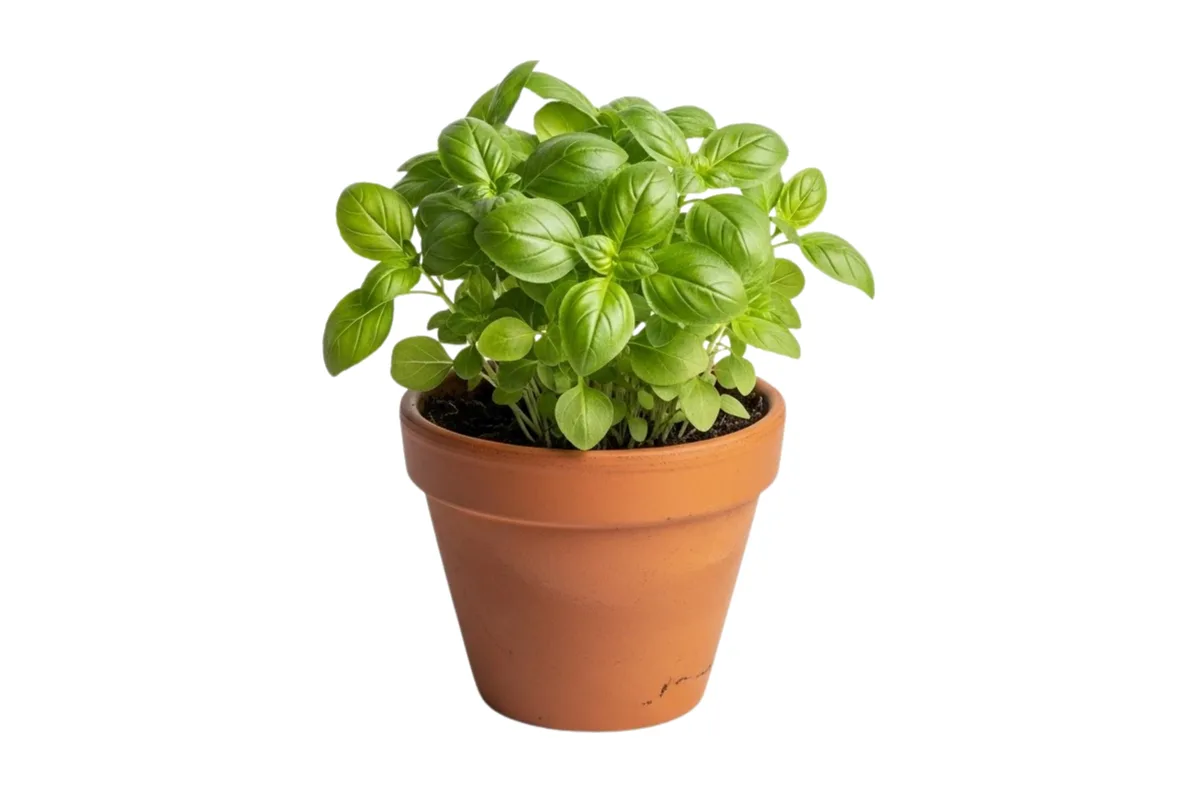
Image source: Web (Bing) / creativefabrica.com (Web image (fair-use with source credit))
Quick Answer
Start basil from seed indoors if you have a bright windowsill or grow lights. Buy transplants if you're short on time. Plant in full sun.
Water when the top inch of soil dries out. Pinch stems regularly for bushy growth.
Starting from Seed Indoors: A Step-by-Step Guide
Starting from seed gives you the widest choice of varieties. Sweet basil is the standard for pesto. Thai basil handles heat better.
Lemon basil adds citrus notes. The process is the same for all of them.
Gather your supplies. Pick a seed-starting mix, not regular garden soil. Garden soil is too dense and can carry diseases. You'll also need containers with drainage holes and a heat mat if your home runs cool.
Standard potting soil is fine once seedlings develop true leaves.
Sow at the right depth. Basil seeds need light to germinate. Press them into the soil and cover with just 1/4 inch of mix. Water from below by setting the tray in a sink of water.
Top watering can dislodge tiny seeds.
Control the environment. Soil temperature between 70 and 75°F gives you the fastest germination. If your house is colder, a heat mat cuts germination time in half. Seeds need 12 to 16 hours of bright light once they sprout.
A south-facing window works in spring. For winter starts, use grow lights placed 2 inches above the seedlings.
Thin or transplant early. When seedlings grow their first set of true leaves, thin to one per cell. Keep the strongest one. If you started in a shared tray, move each seedling into a 3-inch pot.
Handle stems, not roots.
Harden off before moving outside. Over 5 to 7 days, set seedlings outdoors for a few hours each day. Start in shade. Gradually increase sun exposure.
This slow transition prevents transplant shock and sunburn.
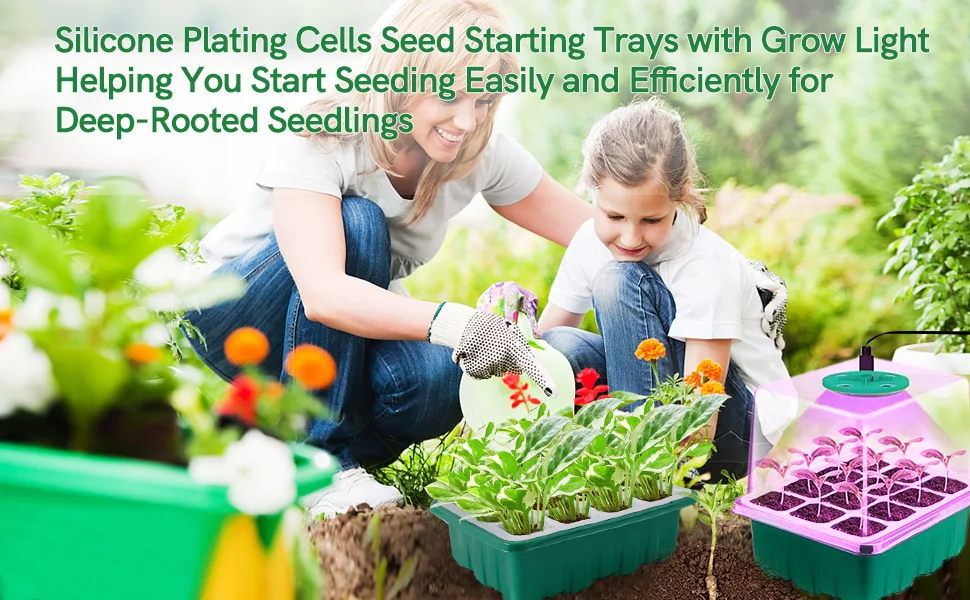
Image source: Bing (Web (fair-use with source credit))
Growing Outdoors from Transplants: A Step-by-Step Guide
Buying transplants is the faster route. You skip the 4 to 6 weeks of indoor care. But choosing the wrong plants or planting too early will cause problems.
Pick healthy transplants. Look for stocky plants with dark green leaves. Avoid seedlings that are tall and leggy. That means they stretched for light.
Check for yellow leaves or white spots. Those signal stress or pests.
Wait for the right temperature. Basil is extremely frost-sensitive. Nighttime temperatures must stay above 50°F before you plant. In most regions, that means late spring after the last frost date.
If you plant too early, cold soil stunts growth and triggers bolting.
Choose the right spot. Basil needs 6 to 8 hours of direct sun per day. Morning sun is best. It dries dew quickly and prevents fungal diseases.
If you live in a hot climate, afternoon shade helps prevent leaf burn.
Plant at the correct depth. Set transplants at the same depth they were in their pots. Burying the stem too deep invites rot. Space plants 12 to 18 inches apart.
Crowded basil gets poor airflow and develops mildew.
Water correctly. Give transplants a deep soak right after planting. After that, water when the top inch of soil feels dry. Container-grown basil dries out faster than in-ground plants.
Check daily in hot weather.
Apply mulch. A 2-inch layer of straw or shredded bark keeps soil moist and cool. It also stops soil from splashing onto leaves. Soil splash spreads fungal spores.
Common Basil Problems (And How to Fix Them Before They Spread)
Basil grows fast, but problems can escalate in days. Catching them early makes all the difference.
Yellow leaves. This usually means overwatering or poor drainage. Check that your container has drainage holes. Let the soil dry out before the next watering.
If the plant is in the ground, add compost to improve drainage. IF leaves are yellow from the bottom up, it is a nitrogen deficiency. Apply a balanced liquid fertilizer diluted to half strength.
Leggy seedlings. Stems get long and weak when light is too dim. Move seedlings closer to the light source. Grow lights should sit 2 inches from the top leaves.
A south-facing window works only in late spring. IF you are starting in winter, you need artificial lights.
White spots on leaves. Tiny white dots are usually thrips or spider mites. Check the undersides of leaves. A strong spray of water knocks most of them off.
For serious infestations, use insecticidal soap. Apply it in the evening to avoid leaf burn.
Brown or black spots. This is likely bacterial leaf spot or downy mildew. Remove affected leaves immediately. Improve airflow by spacing plants farther apart.
Water at the soil level, not overhead. Wet leaves spread disease fast.
Wilting plants. IF the soil is wet and the plant still wilts, root rot is the cause. Remove the plant and improve drainage. IF the soil is dry, underwatering is the problem.
Give it a deep soak and water more frequently.
Bolting (early flowering). Basil flowers when temperatures stay above 90°F for several days or when the plant is stressed. Pinch off flower buds as soon as you see them. Once flowers mature, leaves turn bitter.
IF bolting happens repeatedly, switch to a heat-tolerant variety like Thai basil.
Pruning and Harvesting for Continuous Growth
The secret to bushy basil is aggressive pruning. If you just pick leaves off the top, you get a tall, sparse plant. Pinching the right way changes everything.
Start pinching early. When the plant has 6 leaves, pinch off the top set. Cut right above a pair of leaves. This forces the plant to grow two new stems from that point.
Repeat every 2 to 3 weeks.
Harvest from the top down. Always cut stems, not individual leaves. Make your cut above a leaf node. Two new shoots will grow from that node.
IF you only pull leaves, you leave bare stems that never fill in.
Never remove more than one third. Taking too many leaves at once stresses the plant. Leave enough foliage for photosynthesis. A healthy plant bounces back within a week.
Harvest before flowers appear. Leaves are most flavorful before the plant flowers. Once flower buds form, leaf production slows and the flavor gets bitter. Pinch buds as soon as they appear.
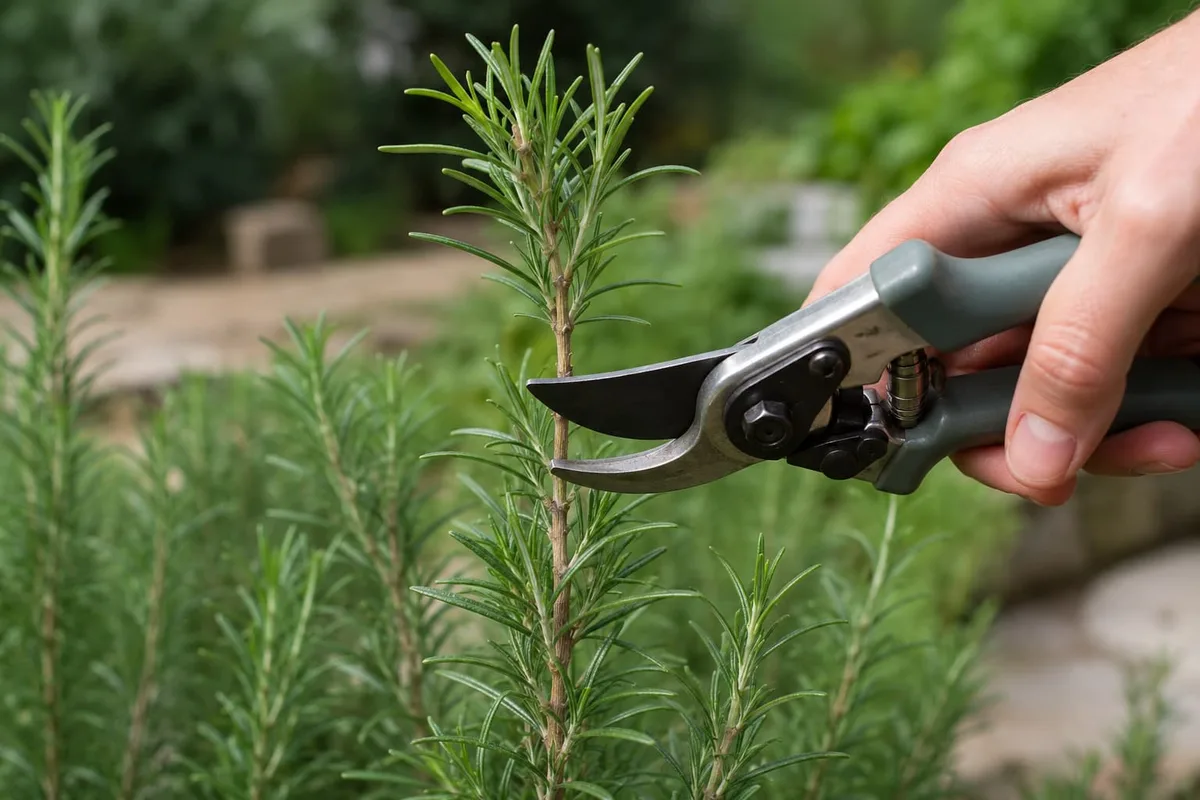
Image source: Web (Bing) / anleolifeshop.com (Web image (fair-use with source credit))
Clean cuts matter. Use sharp scissors or pruning shears. Tearing stems damages tissue and invites disease. A clean cut heals fast and keeps the plant productive.
Harvest in the morning. Basil stores the most essential oils in the early morning. That is when flavor is strongest. Harvest before the sun gets hot if you plan to dry or freeze the leaves.
Store fresh basil properly. Do not put basil in the refrigerator. Cold temperatures turn leaves black. Place stems in a glass of water on the counter.
Change the water every 2 days. It stays fresh for up to a week. For longer storage, blanch leaves and freeze them in ice cube trays with olive oil.
Using Cuttings to Propagate Free Basil Forever
One healthy basil plant can become a dozen with zero extra cost. Taking cuttings is the easiest propagation method. It also lets you keep basil alive through winter indoors.
Take your cuttings the right way. Choose a stem that is not flowering. Cut 4 to 6 inches from the tip. Make the cut just below a leaf node.
Nodes contain dormant cells that form roots. Remove the lower leaves so only 2 or 3 pairs remain at the top.
Root in water or soil. Water is easier to monitor. Place the cutting in a glass of room-temperature water. Change the water every 2 days.
Roots appear in 7 to 14 days. For soil propagation, insert the cutting into moist potting mix. Cover it with a clear plastic bag to hold humidity.
Keep the setup in bright indirect light.
Transplant when roots are ready. Move water-rooted cuttings to soil once roots reach 2 inches long. Use a 4-inch pot with drainage holes. Water well and keep them in bright indirect light for one week.
After that, introduce them to full sun gradually.
Use cuttings to overwinter your basil. In fall, take several cuttings from outdoor plants before frost arrives. Root them indoors. They grow slowly through winter under grow lights.
Come spring, you have established plants ready for the garden.
Per research from university extension programs, basil cuttings root reliably in plain water without rooting hormone. That makes this method accessible and almost foolproof. You only need a clean glass, fresh water, and a little patience.
Frequently Asked Questions
How often should I water basil?
Water basil when the top inch of soil feels dry. In hot weather that means every day. In cooler weather, every 2 to 3 days is enough.
Overwatering causes yellow leaves and root rot. Underwatering causes wilting. Check the soil before adding more water.
Why are my basil leaves turning yellow?
Overwatering is the most common cause. Check that your container has drainage holes. Let the soil dry out between waterings.
Yellowing from the bottom up often means a nitrogen deficiency. Apply a balanced liquid fertilizer diluted to half strength.
Can I grow basil indoors year-round?
Yes, with enough light. Basil needs 12 to 16 hours of bright light daily. A south-facing window works in summer.
Use grow lights in winter. Keep temperatures between 65 and 75 degrees. Good air circulation prevents mold and mildew from forming.
How do I stop basil from flowering?
Pinch off flower buds as soon as you spot them. Regular pruning keeps the plant in vegetative growth. Once flowers mature, leaves turn bitter.
Heat stress can also trigger flowering. If basil keeps bolting, switch to a heat-tolerant variety like Thai basil.
How much sun does basil need?
Basil needs 6 to 8 hours of direct sun each day. Morning sun is best because it dries dew quickly. In very hot climates, afternoon shade prevents leaf burn.
Indoors, use grow lights for 12 to 16 hours per day.