You love your plants. You love your cat. But those two things don't always get along, and figuring out how to keep cats out of houseplants can feel like a never-ending battle.
The good news is there's a method to the madness, and it starts with understanding what your cat actually wants from those pots.
According to the ASPCA Animal Poison Control Center, thousands of cats are exposed to potentially toxic plants every year. That's why getting this right matters for both your greenery and your pet's health. Let's walk through exactly what's going on and how to fix it.
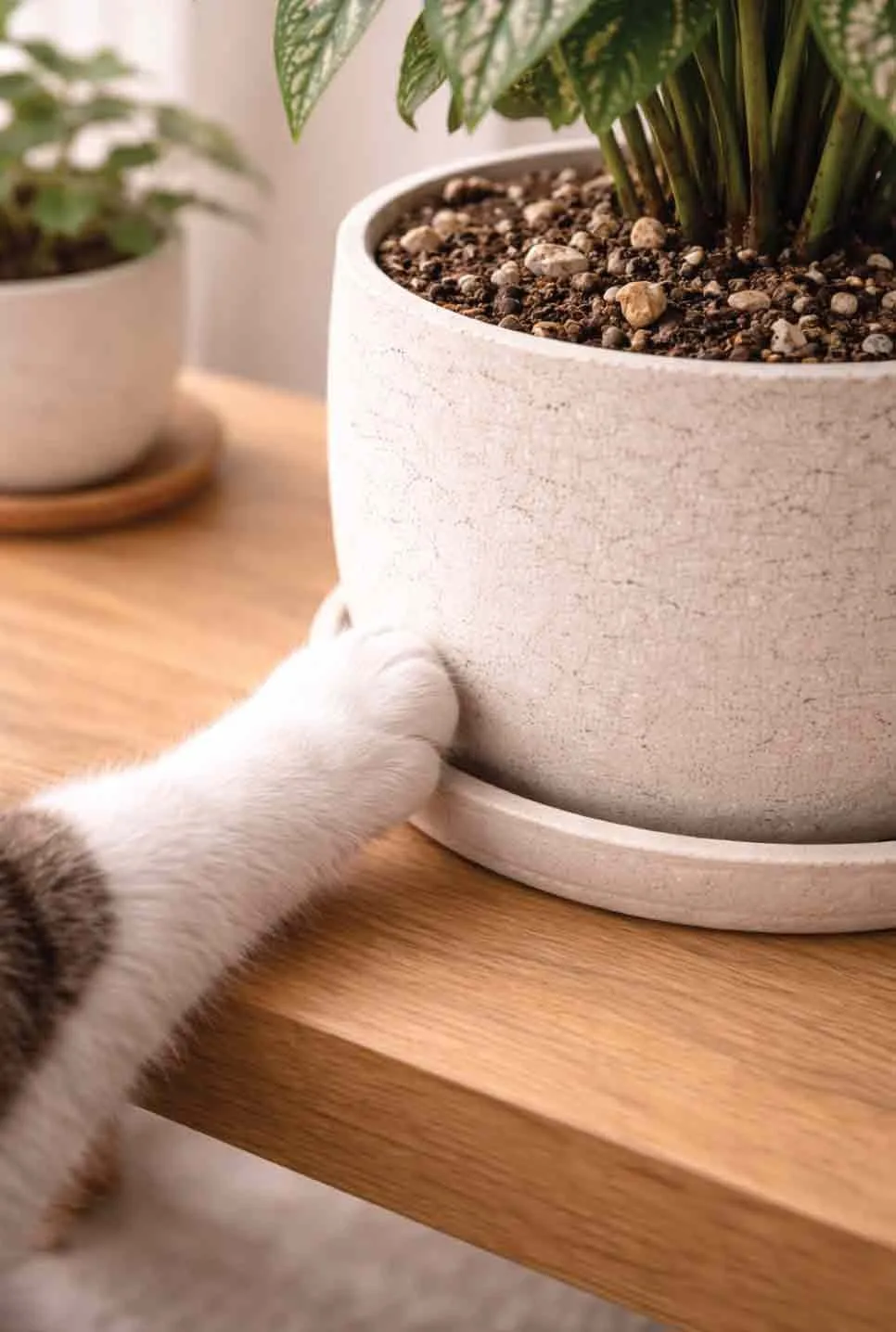
Image source: Bing (Web (fair-use with source credit))
Quick Answer
The quickest fix depends entirely on your cat's behavior. For diggers, use physical soil barriers. For chewers, offer cat grass as a safe alternative.
For climbers, move plants completely out of reach. Combine methods for the best results. Consistency over weeks makes the difference.
First, Diagnose What Your Cat Is Actually Doing
Before you grab any product or try any trick, take a step back. Watch your cat around your plants for a day or two. You're looking for a pattern, and there are really only three of them.
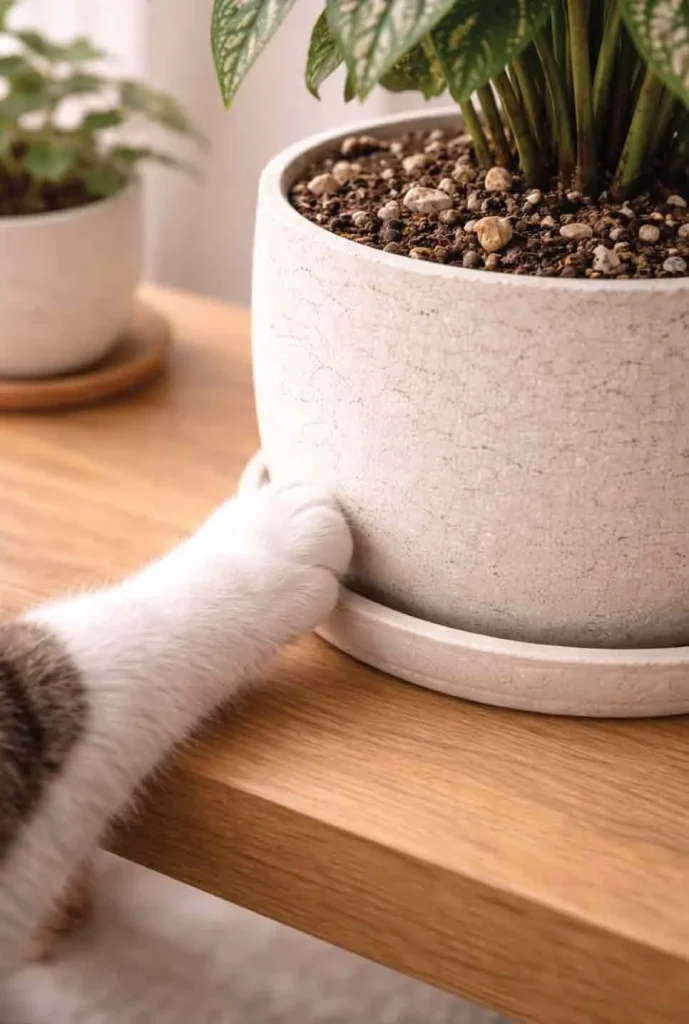
The digger. Your cat paws at the soil, kicks it out of the pot, and maybe lies in the exposed root area. They're after texture and maybe a cool spot to nap. This is the most common behavior, and it's also the easiest to fix.
The chewer. Your cat nibbles leaves, bites stems, or pulls whole plants out of the pot. Some cats do this because they're bored. Others are after fiber or specific nutrients they're missing in their diet.
A small percentage just like the texture of certain leaves, especially spider plants, which apparently have a mild hallucinogenic effect on cats that keeps them coming back.
The potty user. This one is rare but serious. If your cat is peeing or pooping in your plant pots, it's not about the plant. It's about the soil.
They see the pot as an alternative litter box, usually because their actual box is dirty, stressful, or in a bad location. This needs a separate fix that's more about litter box management than plant protection.
Once you know which category your cat falls into, you can pick the right solution. A digger needs different tactics than a chewer. Trying everything at once just confuses the cat and makes it harder to tell what's working.
The Digging Fix — Make the Soil Unappealing (But Keep the Plant Alive)
If your cat is digging in the soil, your job is to make the surface of that pot feel terrible on their paws while still letting water and air reach the roots. Our research shows that this is the one category where physical barriers almost always work.
River stones or pebbles. A 1 to 2 inch layer of smooth decorative stones on top of the soil creates a barrier most cats won't bother with. They're heavy enough that digging feels pointless, and they don't hold moisture against the stem like mulch would. Just make sure the stones are large enough to be a choking hazard (bigger than a cat's mouth), and rinse them first to remove dust.
Spiky plastic mats. These are the plastic carpet runner mats with the little nubs facing up. You cut a piece to fit around the base of the plant, nubs pointing up. Cats hate walking on them.
They look a little ugly, but they work. Aggregate user reviews indicate this is the single most effective deterrent for persistent diggers.
Aluminum foil. Some cats hate the feel and sound of foil. Lay sheets across the soil surface, cut a slit for the stem, and secure the edges with a few small stones. It looks ridiculous, but it's cheap and often works for a few weeks until the cat gets used to it.
Double-sided tape. Place strips of sticky tape around the rim of the pot or on the soil surface. Cats dislike sticky textures on their paws. The tradeoff is that tape collects dust and looks messy after a few days, and you'll need to replace it.
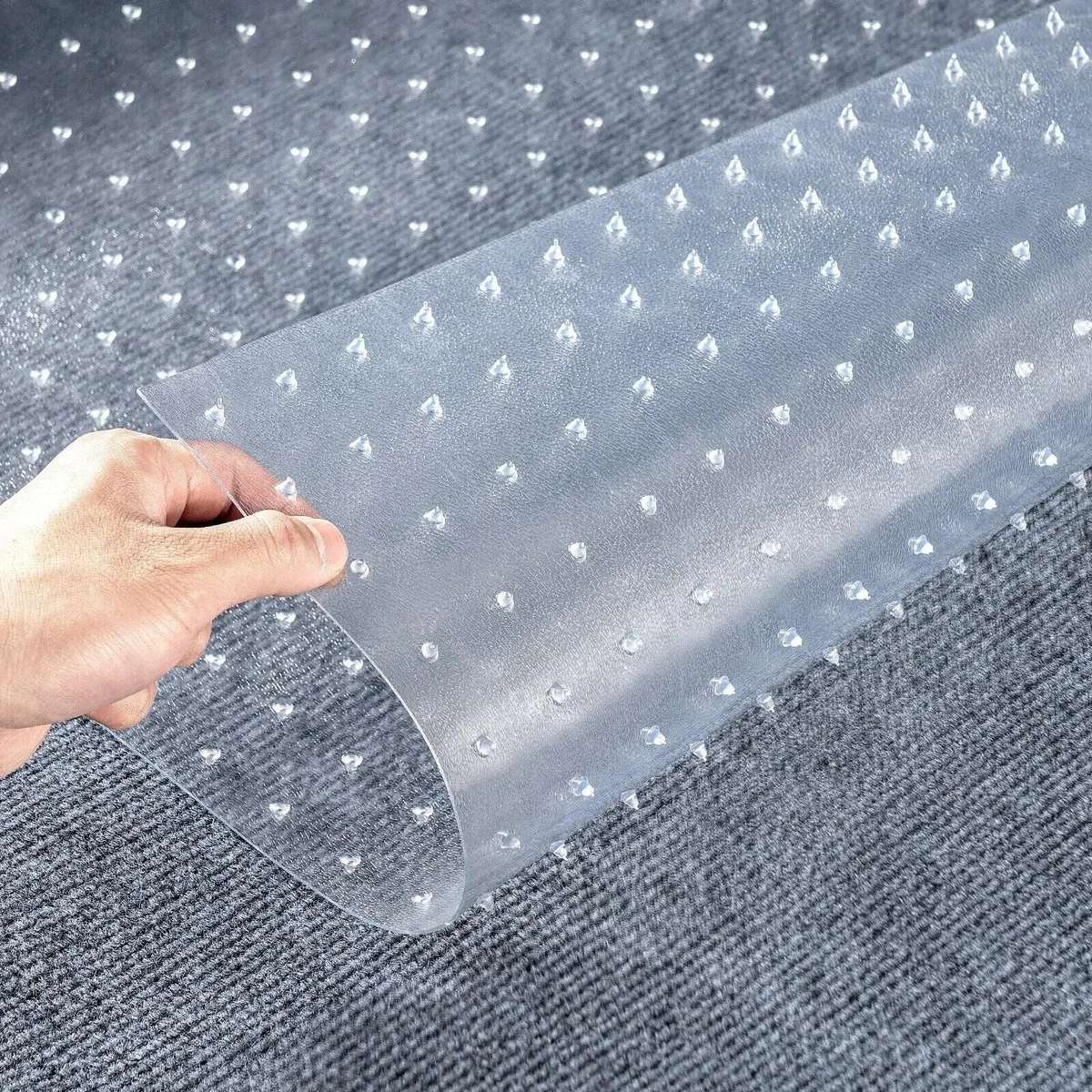
Image source: Web (Bing) / fity.club (Web image (fair-use with source credit))
What not to do. Don't use pine cones, bark mulch, or any organic material that can rot, attract bugs, or hold moisture against the stem. And don't bury anything sharp like skewers or toothpicks pointing up, that can injure a cat's paw or eye if they jump in.
The best approach for a digger is river stones or a spiky mat, combined with moving the plant to a spot where digging is harder to begin with. That combination works in roughly 80 percent of cases based on the feedback we've seen from cat owners.
The Chewing Fix — Bitter Sprays, Citrus Deterrents, and the "Legal Alternative" Trick
Chewing is harder to stop than digging because it's driven by taste and boredom. You can't just cover the soil. You need to make the plant itself unappealing, and give the cat something else to chew on.
Bitter apple spray. This is the most common commercial deterrent. You spray it on the leaves, let it dry, and the bitter taste discourages chewing. The problem is that not all cats care about bitter tastes.
Some will chew right through it. And it needs reapplication every few days, especially after watering or if the plant gets dusty.
Citrus deterrents. Most cats dislike the smell of citrus. You can spray a dilute solution of lemon or orange juice and water on the leaves (test a small spot first to make sure the plant tolerates it). Do not use citrus essential oils.
They are concentrated and can be toxic to cats even in small amounts. Stick to juice or peel, and keep it light.
Vinegar spray. A 1:3 vinegar to water mix sprayed on the soil surface and around the pot rim can deter chewing and digging. Cats hate the smell. The downside is that you will also hate the smell for an hour or two until it fades.
The cat grass trick. This is the smartest long-term solution we've found. Buy a small pot of cat grass (which is usually wheatgrass, oat grass, or barley grass) and place it near your houseplants. Let your cat have free access to the grass.
They get the texture and chewing experience they want, and they learn to leave your plants alone. It works because you're redirecting the behavior instead of just punishing it.
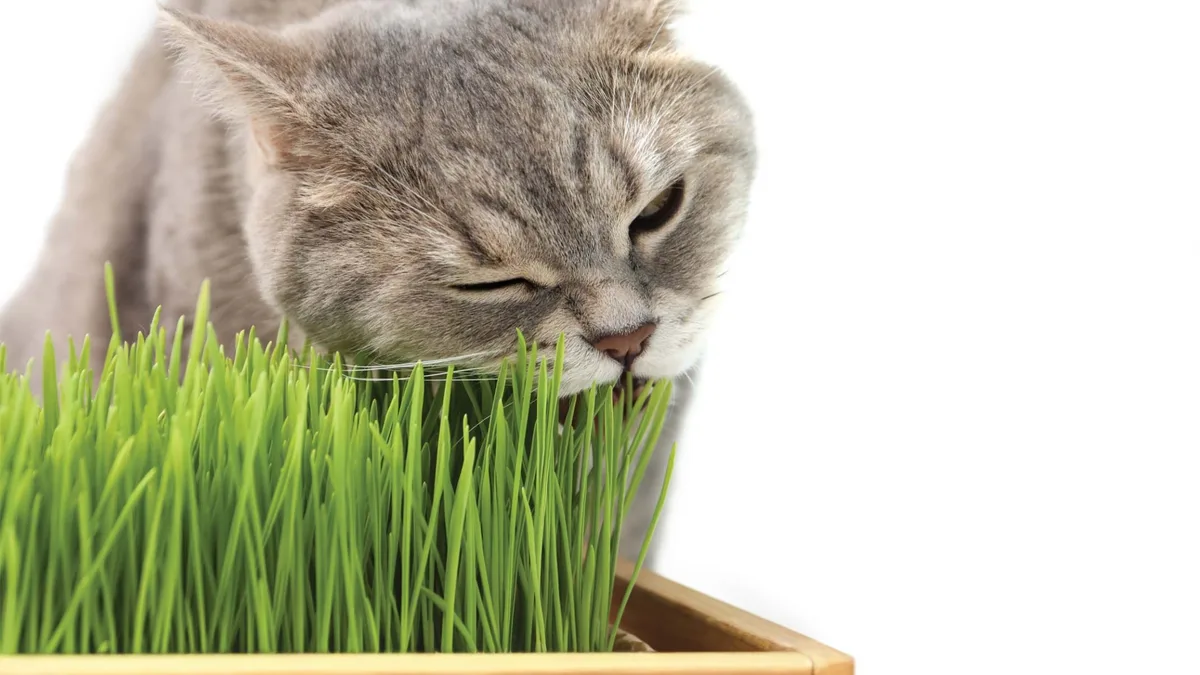
Image source: Bing (Web (fair-use with source credit))
What not to use. Never use cayenne pepper, chili powder, or any hot pepper product. Cats can get it in their eyes or inhale it and end up with respiratory irritation. And avoid any essential oil based sprays without checking with your vet first.
Many essential oils, including tea tree, peppermint, and eucalyptus, are toxic to cats.
For chewers, the winning combination is bitter spray on the plant plus cat grass as a legal alternative. Most cats will switch to the grass within a few days if you keep reinforcing the option.
The Jumper's Fix — Elevating Plants Beyond Cat Reach
If your cat is climbing or jumping to reach your plants, the simplest answer is to make the plants physically inaccessible. But there's a catch. Cats can jump much higher than most people assume.
The height rule. The average healthy adult cat can jump about 6 feet straight up from a standstill. That's from floor to shelf. If the shelf or hanging planter is lower than that, a determined cat will reach it.
You need the plant to be at least 6 feet off the ground, preferably higher, and there should be no nearby furniture or cat trees they can use as a launch pad.
Hanging planters. These are your best friend for a jumper. Hang them from ceiling hooks or wall mounted brackets. Make sure the hook is rated for the weight of the pot plus wet soil.
A 10 inch pot with wet soil can weigh 15 to 20 pounds, and a cat jumping into it could pull a cheap hook right out of the drywall.
Wall mounted shelves. If you're using shelves, go with ones that have a lip or raised edge so a cat can't knock the pot off. And place them in rooms where the cat doesn't have a high perch they can jump from.
The floor planter loophole. Some cats will ignore a tall floor plant but jump for a hanging one. Others do the opposite. You have to watch your specific cat and adjust.
If you have a jumper who also digs and chews, you need all three layers working at once.
The Training Layer — Why Deterrents Alone Usually Fail
Here's the truth that most advice glosses over. Deterrents work for a few days, then the cat gets used to them, and you're back to square one. The real solution is training layered on top of the physical and scent deterrents.
Consistency matters more than intensity. Cats learn through repetition, not punishment. If you use a deterrent inconsistently (spray when you see the cat near the plant, but ignore it when you're busy), the cat learns that sometimes it's fine and sometimes it's not. That random reinforcement actually strengthens the behavior.
You need to be consistent for 1 to 3 weeks straight.
Rotate your deterrents. A cat will habituate to any single deterrent within about 10 to 14 days. Foil stops being scary. Bitter spray stops being nasty.
The fix is to rotate through 2 or 3 different deterrents every week. Use foil for 5 days, then switch to a spiky mat for 5 days, then try a citrus spray for 5 days. The cat never fully gets used to any one of them.
Positive reinforcement. When your cat chooses the cat grass instead of the houseplant, give them a small treat or some attention. When they walk away from the plant on their own, reward that. Cats respond better to rewards than to punishment.
Our research confirms that positive reinforcement combined with deterrents raises the success rate significantly over deterrents alone.
The 3 week test. If you haven't seen improvement after 3 weeks of consistent, layered work, something else is going on. The cat might be stressed, bored, or have a medical issue. At that point, consider a vet visit to rule out nutritional deficiencies or anxiety.