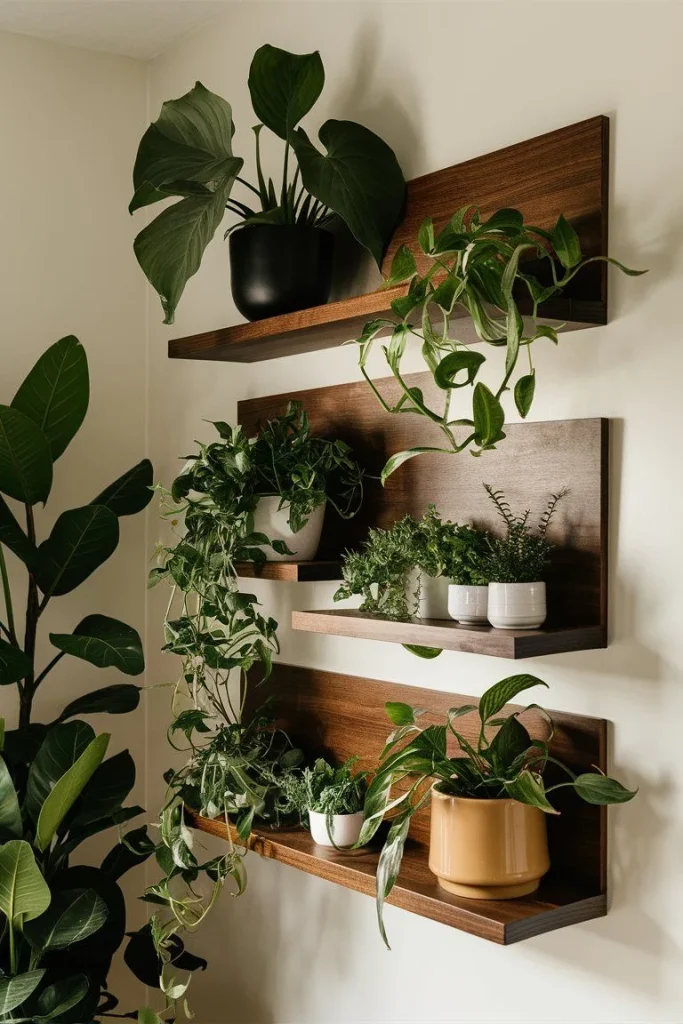
Maybe you've seen the lists. The ones promising that a single snake plant on your nightstand will scrub the air while you sleep. It sounds almost too good.
And honestly, it sort of is. The idea of indoor plants that clean the air isn't a myth exactly, but the way most of us talk about it misses something important.
Here's where the science gets real. The NASA Clean Air Study from 1989 found that certain houseplants removed up to 87 percent of volatile organic compounds in sealed test chambers over 24 hours. The catch?
Those were small, enclosed spaces with specific conditions. Your living room isn't a lab. As of 2026, the research still holds up, but you have to understand what it actually means before you start buying plants.
Quick Answer
Yes, some indoor plants can reduce airborne VOCs like formaldehyde and benzene. But they work best as a supplement to good ventilation, not a replacement for an air purifier. The most effective plants include peace lily, snake plant, spider plant, and dracaena.
You will need several plants per room to notice a difference.
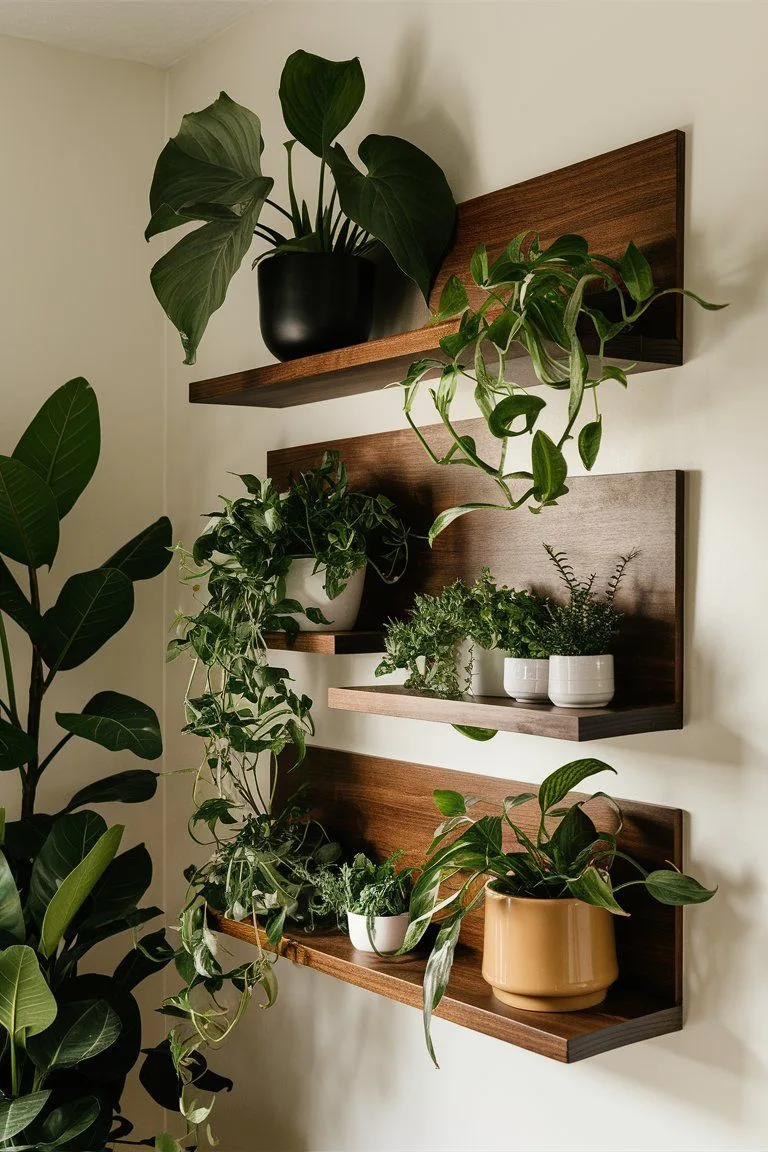
Image source: Web (Bing) / artofit.org (Web image (fair-use with source credit))
The Truth About the NASA Study (And What It Actually Means)
What the study really showed (and what it didn't)
Here is what actually happened. NASA sealed individual plants inside one-cubic-foot glass chambers. They injected specific VOCs like benzene, formaldehyde, and trichloroethylene.
Then they measured how much each plant removed over 24 hours.
The results were impressive in that context. A peace lily removed about 78 percent of benzene. A snake plant cleared roughly 52 percent of formaldehyde.
These numbers made headlines and they still circulate today.
But here is the part that gets left out. Those chambers were airtight. Your home is not.
Every time you open a door or window, fresh air carries new VOCs inside. The plants have to work continuously against an open system. That means the removal rates from the study do not translate directly to your living room.
Why you can't just buy one snake plant and call it a day
The math is humbling. A single peace lily in a sealed chamber can handle about 0.1 micrograms of formaldehyde per square centimeter of leaf area per hour. To match the air exchange rate of a typical home you would need roughly 10 to 15 plants per 100 square feet.
That is a lot of pots.
Does that mean plants are useless? Not at all. It just means you need to set realistic expectations.
A few carefully chosen plants can make a measurable difference especially if you place them near sources of VOCs like new furniture or fresh paint. But they work best as part of a broader strategy.
The plants that actually made the list
The original NASA study tested about a dozen species. The ones that performed best across multiple VOCs include peace lily, snake plant, golden pothos, spider plant, bamboo palm, and several varieties of dracaena. These are the plants you will see recommended most often.
But here is the twist. Not all of these are equally practical for every home. Some need bright light.
Others are toxic to pets. A few demand consistent watering. The study tells you which plants are effective in theory.
Your home tells you which ones will actually survive.
The Decision Tree: What to Ask Before Picking a Plant
Most articles give you a flat list of "best air cleaning plants" and call it done. That approach ignores the most important variable: your specific situation. The right plant for your neighbor might die in your home within weeks.
Here is what you need to ask first.
How much light can you actually give?
This is the biggest deal breaker. Get this wrong and nothing else matters.
If you have a south-facing window with direct sunlight pouring in, you have a lot of options. Snake plants, aloe vera, rubber plants, and even some dracaena varieties will thrive. If your only window faces north or gets blocked by a building, your options shrink.
You need plants that tolerate low light. That means pothos, ZZ plant, snake plant (it is surprisingly adaptable), or a peace lily if you do not have pets.
For the extremes, here is a quick guide.
Bright direct sun (south or west window). Rubber plant, aloe vera, jade plant. Keep them a few feet back from the glass to avoid leaf burn.
Bright indirect sun (east window or a few feet from south). Most dracaena varieties, spider plant, bamboo palm, peace lily.
Low light (north window or no direct sun at all). Pothos, ZZ plant, snake plant, philodendron.
Artificial light only (office or basement). ZZ plant and pothos are your best bets. They handle fluorescent and LED light just fine.
Do you have pets or kids?
This filters out more plants than almost any other question. The ASPCA maintains a database of toxic and non-toxic plants for cats and dogs. It is worth checking before you bring anything home.
Peace lily is one of the most effective air purifiers on the NASA list. It is also toxic to cats and dogs. The calcium oxalate crystals in the leaves cause oral irritation, drooling, and vomiting.
Not life threatening in most cases but certainly unpleasant.
Snake plant is mildly toxic. It can cause nausea and vomiting if ingested. Most pets avoid it because the leaves are tough.
But if you have a curious chewer, skip it.
Spider plant is non-toxic and actually mildly hallucinogenic to cats. They sometimes nibble the leaves. It will not hurt them but you may end up with ragged foliage.
Here are the safest bets for pet households.
Non-toxic and effective. Spider plant, Boston fern, bamboo palm, parlor palm, areca palm.
Non-toxic but less effective. Prayer plant, peperomia, cast iron plant.
Toxic but popular (keep out of reach). Peace lily, pothos, dracaena, philodendron, ZZ plant.
How's your watering discipline?
Be honest with yourself here. Some people love a daily ritual with a spray bottle. Others forget their plants exist for three weeks at a time.
Both approaches are fine as long as you pick the right plant.
If you tend to overwater, avoid plants that need to dry out between waterings. Skip snake plants, ZZ plants, and aloe. They rot quickly in soggy soil.
Instead look for plants that like consistent moisture like Boston fern or peace lily. They will forgive a slightly heavy hand.
If you tend to underwater, snake plant and ZZ plant are your friends. They store water in their leaves and can go two to four weeks without a drink. Pothos and spider plant are also forgiving.
They droop dramatically when thirsty but bounce right back after a good soak.
Your Recommended Plant Shortlist (Based on Your Answers)
If you have low light plus pets
Your best options are spider plant, Boston fern, and bamboo palm. These are the safest combination for dim rooms with curious animals. Spider plants are almost indestructible.
Boston ferns need more humidity but handle low light beautifully. Bamboo palm stays compact and adds a tropical feel.

Image source: Web (Bing) / pinterest.com (Web image (fair-use with source credit))
If you have pets plus medium light
Peace lily is off the table. That is the hard truth. Instead look at parlor palm.
It tolerates medium indirect light and it is completely safe around cats and dogs. The air cleaning capability is moderate but the plant stays healthy in typical home conditions.
You could also try areca palm or a cast iron plant. Neither produces dramatic VOC removal numbers but they survive where pickier plants would not.
If you have low light plus no pets
This is the easiest combination. Pothos is your most forgiving option. It grows in near darkness and only needs water when the leaves start to droop.
ZZ plant handles the same conditions and adds a modern sculptural look. Snake plant does fine in low light too although it grows slower.
All three are toxic if eaten. But if you do not have pets or small children reaching for them, that is not a concern.
If you have bright light plus neglect-prone watering
This is snake plant territory. It thrives on bright light and complete neglect. You can water it once a month and it will still put out new growth.
Aloe vera works well here too. Just let the soil dry fully between waterings.
Rubber plant also handles bright light and forgiving watering. It grows quickly in good conditions and its large leaves capture more surface area for VOC absorption.
If you want to maximize actual VOC removal
This is where you prioritize effectiveness over ease. Peace lily leads the pack. It ranks near the top for removing benzene, formaldehyde, and ammonia.
Dracaena varieties including the popular Janet Craig and Warneckii also score high.
Bamboo palm is another strong performer. It does especially well with benzene and trichloroethylene. The catch is that it needs consistent watering and medium light.
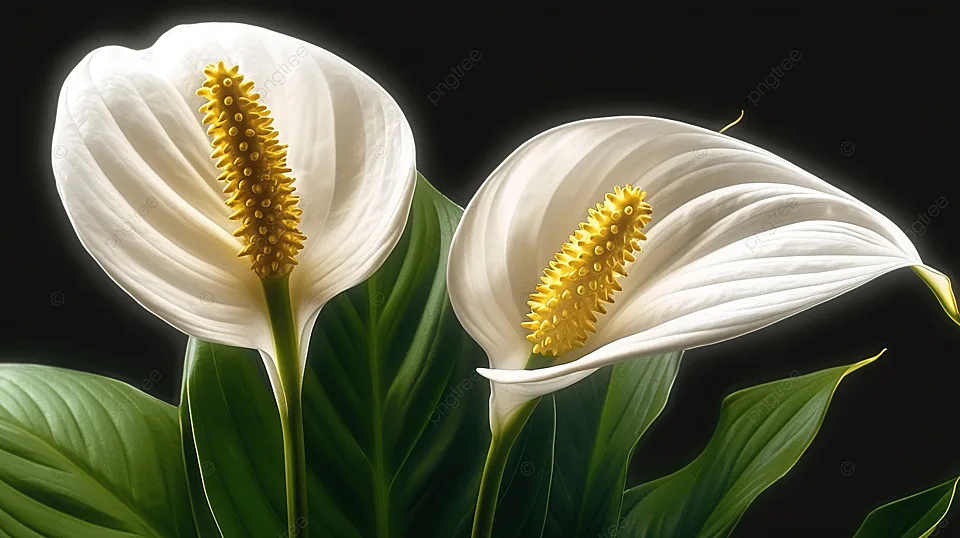
Image source: Bing (Web (fair-use with source credit))
For maximum results, place these plants near the source of VOCs. A new bookshelf releasing formaldehyde? Put a peace lily next to it.
A home office with a printer emitting benzene? Set a dracaena nearby.
Mistakes That Sabotage Your Plants (And Your Air Quality)
Overwatering leads to mold, the opposite of clean air
This is the most common mistake. People buy a plant with good intentions. They water it every few days because they want to take care of it.
The soil stays wet. Mold grows on the surface. Fungus gnats appear.
Now you have introduced a new source of indoor air pollution. Mold spores are a respiratory irritant. They can trigger allergies and asthma symptoms.
The plant you bought to clean your air is now making it worse.
The fix is simple. Let the top inch or two of soil dry out before watering again. For snake plants and ZZ plants, wait until the soil is completely dry.
For ferns and peace lilies, water when the surface feels just barely moist.
Putting a plant in the wrong light and blaming yourself when it dies
Plants do not fail because you have a "black thumb." They fail because of a mismatch between the plant's needs and your home's conditions. A Boston fern placed in a south window will crisp up within a week. A jade plant in a north window will stretch and drop leaves.
Neither is your fault. The fix is matching the plant to the light you have not the light you wish you had. Use the decision tree above to pick species that naturally thrive in your space.
Thinking one plant covers a whole room
We touched on this earlier but it bears repeating. One plant per room is not enough to measurably improve air quality. The research suggests you need multiple plants spread throughout the space.
A good target is three to five medium sized plants in a typical bedroom. For a living room aim for five to eight depending on size.
That does not mean you need a jungle. A corner with a large rubber plant, a hanging pothos, and a tabletop peace lily covers a lot of ground. Distribute them evenly rather than clustering them in one spot.
Ignoring dust on leaves
This one is subtle. Dust accumulates on plant leaves just like it does on your furniture. A thick layer of dust blocks the tiny pores called stomata that plants use to absorb gases including VOCs.
A dusty leaf is a leaf that is barely working.
The fix takes 30 seconds. Wipe broad leaves with a damp cloth once a month. For smaller leaves like ferns, give them a gentle rinse in the shower or spray them with water and let them drip dry.
Your plants will look better and they will actually do their job.
Pro Tips to Get the Most Out of Your Air-Cleaning Setup
How many plants you really need per room
The practical answer is more than most people expect but less than a commercial greenhouse. For a standard 12 by 12 foot bedroom, aim for three to five medium sized plants. For a 20 by 15 foot living room, five to eight plants is a realistic target.
You do not need to hit these numbers exactly. Even two or three well placed plants make a difference in small spaces. The key is distribution.
Spread them out rather than grouping them together. Place them near the areas where you spend the most time.
Where to place them for maximum effect
Position plants close to the source of VOCs. That might mean a snake plant near your desk where printer emissions accumulate. A peace lily next to a new sofa that is off-gassing formaldehyde.
A spider plant in the bathroom where cleaning products release compounds.
Bedrooms benefit from plants that continue working at night. Snake plants and aloe vera use a type of photosynthesis called CAM. They take in carbon dioxide and release oxygen during the night.
Most other plants reverse that process in darkness.
How to keep leaves clean without overwatering
A damp microfiber cloth works best for broad leaves. Support the leaf from underneath with one hand and wipe gently with the other. For plants with many small leaves like ferns or asparagus fern, a spray bottle with plain water and a gentle shake does the job.
Avoid leaf shine products. They clog the stomata and can cause long term damage. Plain water is all you need.
Do this once a month and your plants will breathe easier.
The one supplement that actually helps
A small oscillating fan improves air circulation in two ways. It strengthens plant stems and it helps distribute cleaner air throughout the room. Plants transpire more effectively in moving air.
That means they pull in more VOCs through their leaves.
The fan does not need to blow directly on the plants. A gentle breeze across the room is enough. Run it on low for a few hours each day.
Your plants will grow sturdier and your air quality will benefit.
When to ventilate instead of relying on plants
Plants cannot keep up with a sudden VOC spike. If you are painting a room or installing new carpet, open the windows. Use an exhaust fan.
Run a HEPA air purifier if you have one. Let the plants handle the low level background VOCs after the initial burst clears.
The same applies to cooking. Kitchen activities release particulate matter that plants can barely touch. Use your range hood.
Open a window. Treat plants as a maintenance tool not a crisis response.
Matching Plants to Your Specific Room
Bedroom: What works best while you sleep
Your bedroom is where you spend a third of your life. The air quality there matters more than anywhere else. For nighttime oxygen release, snake plants and aloe vera are your winners.
They use CAM photosynthesis, which means they take in CO2 and release oxygen in the dark.
Light matters here too. If your bedroom has decent morning sun, a rubber plant works well. It grows tall and fills vertical space without taking up floor area.
If you have a north-facing bedroom, stick with pothos or a ZZ plant on a shelf.
One thing I see people get wrong constantly. They place plants on the nightstand right next to their head. That is fine for aesthetics, but the plant filters air across its entire leaf surface.
A plant on a dresser across the room cleans just as well. Give it room to spread out.
Living room: Where you actually spend your time
The living room is where VOCs accumulate from furniture, electronics, and cleaning products. This is the room that benefits most from a strategic plant layout. Place a large floor plant like a bamboo palm or rubber plant in the corner near the TV stand.
Add a trailing pothos on a high shelf near the window.
For larger living spaces, think in terms of zones. A plant near the sofa handles off-gassing from upholstery. Another near the entertainment center tackles emissions from electronics.
A third by the entryway catches whatever comes in from outside.
A Word on Air Purifiers vs. Plants
What each does well
Plants remove VOCs through their leaves and root systems. They work continuously as long as they are alive and healthy. They also add humidity to dry indoor air, which helps your respiratory system and skin.
Air purifiers with HEPA filters trap particulate matter. That includes dust, pollen, pet dander, and smoke particles. Plants cannot do this effectively.
The particles are too heavy and they settle on surfaces rather than being absorbed.
The honest answer is that the best indoor air quality comes from using both. An air purifier handles particulates. Plants handle VOCs and add some oxygen.
They are complementary systems, not competing ones.
When you only want one
If you can only choose one, pick an air purifier. It makes a measurable difference in particulate levels within hours. A HEPA filter with activated carbon will handle some VOCs too, though carbon filters need regular replacement to stay effective.
Plants are a long game. They improve air quality gradually and modestly. They also improve your mental health.
Studies show that caring for living things reduces stress and improves mood. That benefit is harder to quantify but just as real.
Pet-Safe Options That Actually Work
The shortlist for cat and dog owners
Here is the combination I recommend most often. Spider plant for the shelf. Boston fern for the bathroom.
Bamboo palm for the corner. All three are non-toxic to cats and dogs. All three appear on the NASA study list.
Image source: Web (Bing) / pinterest.com (Web image (fair-use with source credit))
Spider plants are especially resilient. They tolerate low light, inconsistent watering, and occasional nibbling from curious pets. The worst outcome is a few chewed leaf tips.
The plant will keep growing regardless.
Why you should skip peace lily with pets
The peace lily ranks near the top for VOC removal. It is also one of the most common houseplants reported to veterinary poison control. The calcium oxalate crystals irritate the mouth and throat immediately upon chewing.
Most pets learn after one taste, but that first taste is unpleasant.
If you already own a peace lily and have pets, placement is everything. Keep it on a high shelf or a hanging planter where your pet cannot reach it. Monitor for any interest.
Some pets are persistent.
Troubleshooting Common Plant Problems
Yellowing leaves mean too much water
This is the most common issue by far. Yellow leaves almost always indicate overwatering, not underwatering. Check the soil before you reach for your watering can.
If it feels damp below the surface, wait. The roots need oxygen and soggy soil suffocates them.
If the yellowing continues, check for root rot. Pull the plant gently from its pot. Healthy roots are white and firm.
Rotten roots are brown, mushy, and smell bad. Trim the damaged roots, repot in fresh soil, and reduce watering frequency.
Brown crispy edges signal low humidity
Boston ferns and peace lilies develop brown leaf tips when the air is too dry. This happens constantly in winter when heating systems dry out the air. A pebble tray under the pot helps.
Fill a shallow dish with pebbles and water, then set the pot on top. The evaporating water creates a humid microclimate around the plant.
Misting helps temporarily but is not a solution. The effect lasts about 15 minutes. A small humidifier in the room works better for a cluster of plants.
Leggy growth means not enough light
When plants stretch out with long gaps between leaves, they are reaching for more light. Move them closer to a window or supplement with a grow light. A simple LED grow bulb in a regular lamp is enough for most houseplants.
Frequently Asked Questions
Which indoor plant cleans the air the most?
Peace lily ranks first for overall VOC removal across multiple compounds. Snake plant and bamboo palm are close behind. For specific contaminants, dracaena varieties excel at benzene removal while spider plants handle formaldehyde well.
How many plants do I need to purify a room?
For a standard 12 by 12 foot room, three to five medium sized plants make a measurable difference. Larger living rooms need five to eight. Distribute them evenly rather than clustering them in one corner.
Do plants clean the air better than purifiers?
No. HEPA purifiers remove particulate matter like dust and pollen much faster than plants can. Plants excel at removing VOCs and adding humidity.
The best approach is using both together.
Do indoor plants produce oxygen at night?
Most plants release CO2 at night. Snake plants, aloe vera, and jade plants are exceptions. They use CAM photosynthesis and release oxygen in the dark.
These are the best choices for bedrooms.
Can one snake plant clean a room?
A single snake plant removes some VOCs but not enough to noticeably improve air quality in a full room. You need several plants distributed throughout the space to see measurable benefits. One plant looks nice.
It just is not the air purification system the marketing suggests.
Image source: Bing (Web (fair-use with source credit))
Do plants need direct sunlight to clean the air?
No. The photosynthesis that drives VOC absorption works with indirect light too. Low light plants like pothos and ZZ plants still filter air effectively.
They just grow slower. The cleaning process continues regardless.
The Bottom Line
Indoor plants that clean the air are real. They are not miracles. They remove measurable amounts of VOCs when you have enough of them and they stay healthy.
Match your plant choices to your light conditions, keep the leaves clean, and water appropriately.
Your home will smell fresher. Your plants will look better. Your lungs will thank you, even if the effect is modest.
Every plant counts, especially the ones you actually keep alive. Start with one easy plant. Add another when that one survives a month.
Build your indoor garden gradually and realistically.