If you've got bee balm taking over your garden corner, you're probably wondering how to turn those fragrant leaves and flowers into something drinkable. Learning to make bee balm tea is one of the simplest herbal projects you can tackle, and the payoff is a floral, minty brew that tastes nothing like store-bought tea bags.
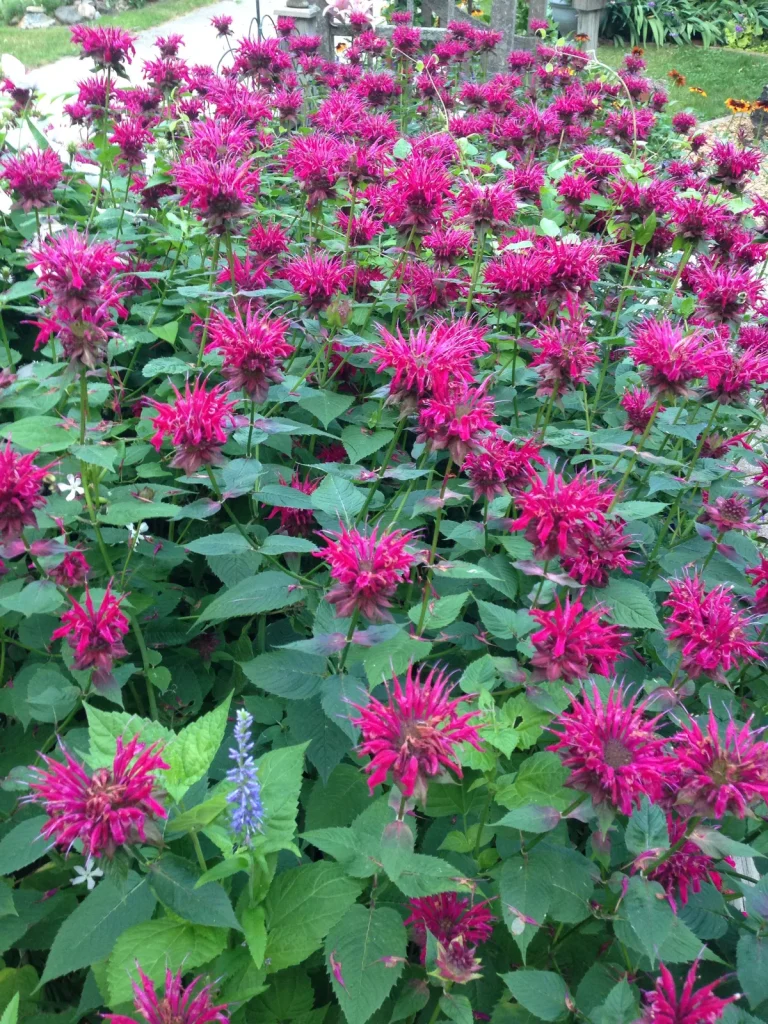
The plant you're working with is Monarda didyma (red flowers) or Monarda fistulosa (lavender flowers), both members of the mint family. As of 2026, the standard ratio for a well-balanced cup is roughly 1 to 2 teaspoons of dried material per 8 ounces of water. Let's get the basics straight first so you're starting from solid ground.
Quick Answer
Make bee balm tea by steeping fresh or dried leaves and flowers in hot water. Use roughly 1 to 2 teaspoons of dried material per cup. Steep for 5 to 10 minutes, then strain.
Sweeten with honey or add lemon if you like. That's it. One plant, one pot, one very drinkable cup.
Core Explanation / How It Works
What's actually in the cup?
Bee balm belongs to the Monarda genus, and its leaves carry a flavor that blends mint, oregano, and a faint citrus note. The flowers are milder and slightly sweeter. When you pour hot water over the plant material, you're extracting volatile oils and water-soluble compounds.
That's where the taste and aroma come from.
Hot brew vs. cold steep
You've got two solid methods here, and which one you pick depends on how patient you're feeling.
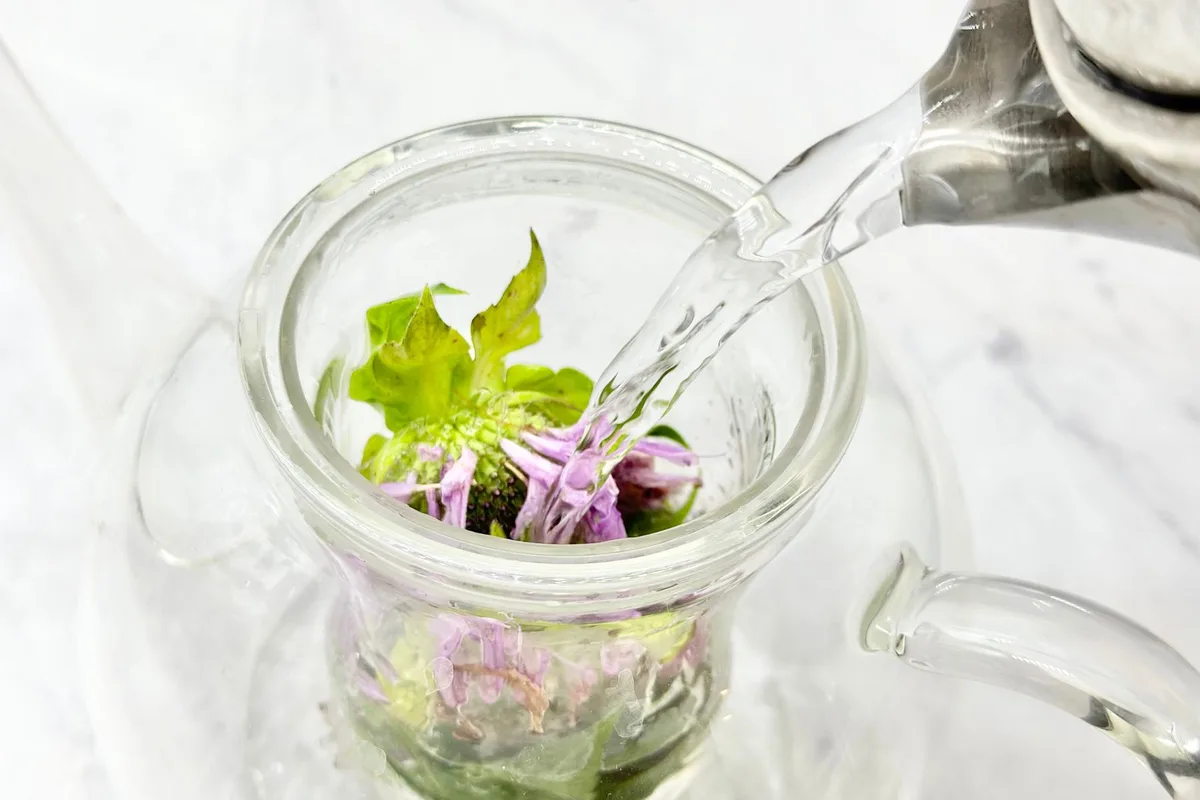
Hot brewing is the faster route. Pour water just off the boil (around 200°F) over the plant material, cover your mug or pot, and wait 5 to 10 minutes. The heat pulls the flavors out quickly, but it can also pull out some bitterness if you let it go too long.
Cold steeping takes 8 to 12 hours in the fridge, but the payoff is a smoother, less astringent brew. It's the better choice if you're making iced tea, because you skip the step of cooling down a hot liquid. Just put the plant material in a jar of cold water, stick it in the fridge before bed, and strain it in the morning.
Fresh vs. dried — what changes?
| Variable | Fresh | Dried |
|---|---|---|
| Amount needed per cup | About 1/4 cup | 1 to 2 teaspoons |
| Steep time | 5 to 10 minutes | 3 to 5 minutes |
| Flavor intensity | Brighter, greener | More concentrated, deeper |
| Shelf life | Use within a day | Up to 12 months |
Fresh material contains more water, so you need roughly four times as much by volume. Dried is more potent by weight, so you use less and steep it for a shorter time to avoid bitterness.
Which parts of the plant should you use?
Both leaves and flowers work, but they're not identical.
- Leaves only produce a savory, herbal flavor with a minty backbone. It's closer to an oregano tea than a floral one.
- Flowers only give you a lighter, sweeter, mildly citrusy cup. The color is usually pinkish or lavender.
- Leaves and flowers together is the most balanced option. You get the herbal depth from the leaves and the sweetness from the flowers.
Most people end up using a mix, which is what we'd recommend for your first few tries.
Step-by-Step Process / How to Guide
What you'll need
Before you start, gather these things:
- Fresh or dried bee balm leaves and flowers
- A mug or teapot
- Water (filtered if possible)
- A kettle or pot for boiling
- A fine-mesh strainer
- Optional: honey, sugar, or a lemon wedge
Step 1: Harvest and prepare the plant material
If you're using fresh bee balm, pick it in the morning after the dew dries. The essential oil content is highest then. Rinse the stems under cool water and shake off the excess.
Pull the leaves off the stems and pick the flower heads. Chop the leaves coarsely to release more surface area, or tear them by hand.
If you're using dried material, measure out 1 to 2 teaspoons per cup. No chopping needed.
Step 2: Heat the water
Bring your water to a boil, then let it sit for about 30 seconds. You want it just off the boil, roughly 200°F. Boiling water directly on the leaves can scorch them and produce a flat, dull flavor.
Step 3: Combine and steep
Put your bee balm into the mug or teapot. Pour the hot water over it. Cover the mug with a saucer or lid.
This traps the volatile oils that would otherwise escape as steam.
Set a timer:
- For fresh material: 5 to 10 minutes
- For dried material: 3 to 5 minutes
Taste it at the lower end of the range. If it's too weak, let it go another minute or two. You can always add time, but you can't take bitterness back.
Step 4: Strain and serve
Pour the tea through your fine-mesh strainer into a clean mug. Press gently on the solids to release any remaining liquid. Add sweetener or lemon if you want, but taste it plain first.
Many people find bee balm pleasant enough on its own.
Step 5: Optional iced version
Double the amount of plant material you'd normally use for hot tea. Brew it hot with the same water volume, then pour the strained tea over a full glass of ice. The ice dilutes it, so starting with a stronger brew keeps the flavor from washing out.
Mistakes to Avoid / Common Errors
Mistake 1: Using the wrong plant
This is the one error that actually matters for safety. Bee balm is a mint-family plant, and most mint-family lookalikes are harmless. But if you're foraging, you absolutely need to confirm you've got Monarda species before you brew.
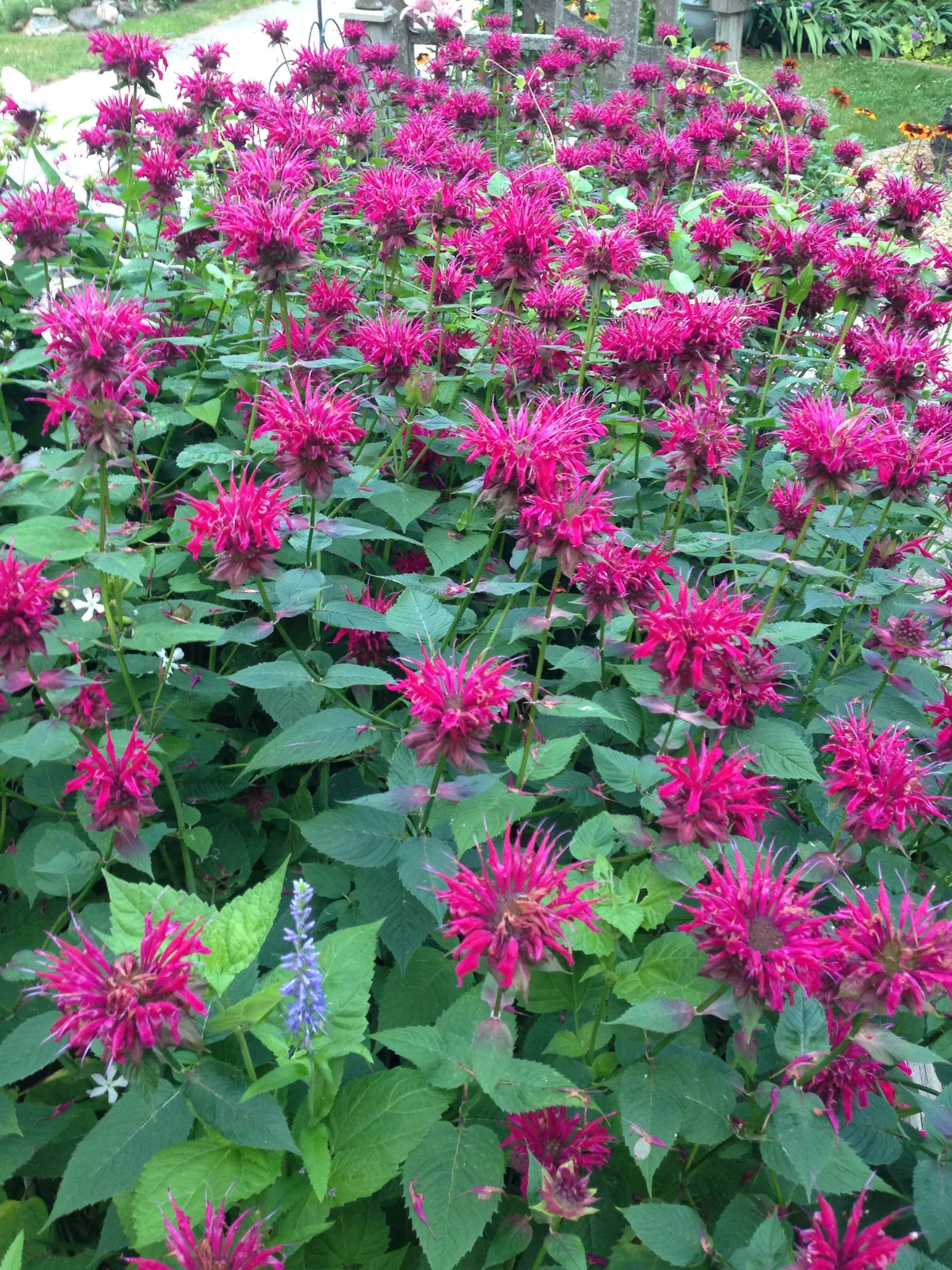
The key identifiers are the square stem (mint family trait), the opposite leaves, and the distinctive shaggy flower head that looks like a crown of spiky petals. When in doubt, check with a local extension office or a reliable field guide.
Mistake 2: Under- or over-using plant material
Using too little yields a cup of vaguely tinted hot water. Using too much gives you an aggressively bitter, almost medicinal brew. The ratios listed earlier are a starting point, not a rule.
Adjust based on your own taste and the age of your material. Older dried material loses potency, so you might need a bit more.
Mistake 3: Over-steeping and getting bitterness
Dried bee balm can turn unpleasant if you let it steep past 10 minutes. The tannins and other compounds extract slowly at first, then speed up. Set a timer.
If you're making a large batch in a teapot, strain the whole thing after 5 minutes rather than letting it sit on the leaves.
Mistake 4: Not washing fresh material
Fresh bee balm from the garden can carry small insects, pollen, and soil. A quick rinse under cool water takes care of it. Skip this step, and you might end up with a floating surprise in your mug.
Mistake 5: Forgetting to cover the steeping vessel
The aromatic oils that give bee balm its flavor are volatile. They evaporate quickly. If you leave the mug open while it steeps, you're literally losing flavor to the air.
A saucer, a lid, or even a small plate works fine.
Quick troubleshooting table
| Symptom | Likely cause | Fix |
|---|---|---|
| Weak, watery flavor | Too little plant material | Increase the amount next time |
| Bitter, harsh taste | Over-steeping or water too hot | Shorten steep time or let water cool slightly |
| Muddy, cloudy brew | Plant material too finely chopped | Use a coarser chop or strain through finer mesh |
| No aroma | Old dried material | Harvest or buy fresh stock |
| Medicinal, harsh flavor | Too many stems | Use mostly leaves and flowers, skip woody stems |
Benefits & Drawbacks / Pros and Cons
What's good about bee balm tea
It's caffeine-free. This is a genuine perk if you're avoiding caffeine but want something more interesting than plain hot water or chamomile. You can drink it in the evening without lying awake.
The flavor is genuinely unique. It's not like any store-bought herbal blend you've tried. The combination of minty, floral, and slightly oregano-like notes makes it stand out. People who try it for the first time often describe it as "surprisingly good" because they expected it to taste like medicine.
It grows like a weed. One established bee balm plant can produce enough leaves and flowers to keep you in tea all summer. You don't need a big garden either. A single plant in a pot on a patio will give you regular harvests.
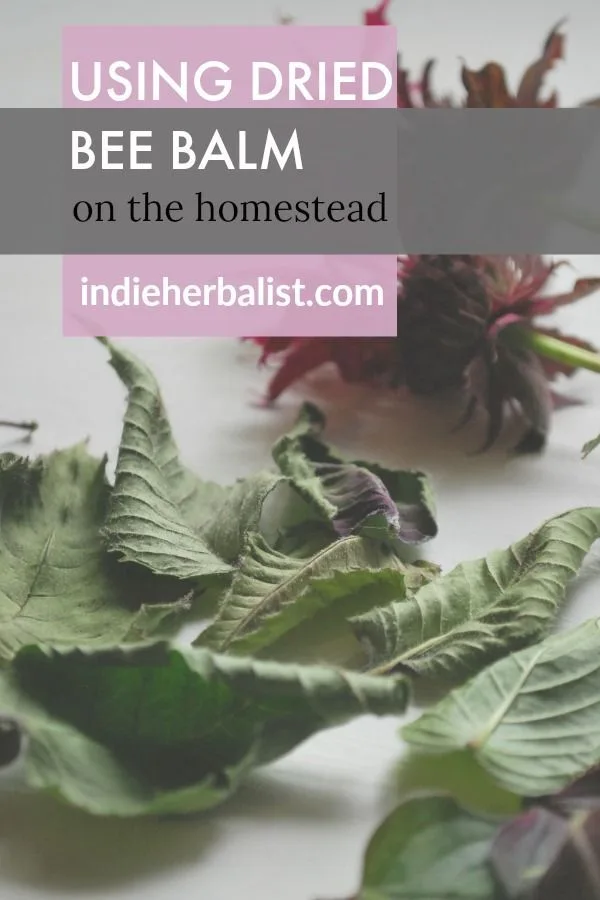
Drying is straightforward. You can air-dry bundles upside down in a dark room for 1 to 2 weeks, or use a dehydrator at 95°F for 4 to 6 hours. No special equipment required.
What's less ideal
The flavor is not for everyone. Some people find the minty-oregano combination off-putting. If you prefer fruitier herbal teas like hibiscus or berry blends, bee balm might not be your go-to.
It's mild compared to black tea. If you're used to strong, dark breakfast teas, bee balm will taste delicate and subtle. That's a feature for some and a drawback for others.
Fresh material doesn't store well. Once harvested, fresh leaves and flowers start losing quality within a day. You need to dry them or use them immediately. You can't just toss a handful in the fridge for next week.
Seasonal availability. Even if you dry it, you're limited by the growing season. In colder climates, the plant dies back in winter, and you're working from your dried stash until spring.
Limited commercial availability. As of 2026, bee balm tea is still a niche product. You won't find it in most grocery stores. This isn't a problem if you grow your own, but it means you can't easily buy it to try before you commit to planting.
Pro Tips / Expert Advice
Should you harvest flowers or leaves for your first brew?
Start with a mix of both. The leaves give you the herbal backbone. The flowers add sweetness and a gentle citrus note.
If you harvest only leaves, the tea can come across as too savory. If you use only flowers, it might feel thin.
After you've tried the blend a few times, adjust the ratio to suit your palate. Some people prefer a 70 percent leaf, 30 percent flower split. Others reverse it for a lighter afternoon cup.
When is the best time to harvest for peak flavor?
Pick bee balm in the morning after the dew evaporates but before the sun gets hot. That's when the essential oil content is highest. The plant spends the night building up oils, and they start dissipating once the sun hits.
For flowers, harvest just as they fully open. Buds that haven't opened yet lack the full aromatic profile. Flowers past their prime can taste flat or slightly dusty.
Can you dry bee balm in a microwave?
Yes, but it's tricky. Place a single layer of leaves and flowers between two paper towels. Microwave in 20-second bursts on medium power.
Check after each burst. Stop when the material feels crisp but not brittle.
The risk is scorching. Burnt bee balm smells unpleasant and tastes worse. Air drying or a dehydrator at 95°F gives more consistent results without the guesswork.
How do you store dried bee balm for long-term use?
Keep it in an airtight glass jar away from direct light and heat. A dark pantry or cupboard works well. Whole leaves and flowers retain flavor longer than crushed ones.
Crushing exposes more surface area to air, accelerating flavor loss.
Label the jar with the harvest date. Dried bee balm holds its best quality for about 12 months. After that, it's still safe to drink, but the flavor fades noticeably.
What pairs well with bee balm tea?
Lemon is the most common addition. A squeeze of fresh lemon brightens the floral notes and rounds out the minty edge. Honey complements the sweetness of the flowers, especially if your batch leans heavily on leaves.
For a blend, try mixing bee balm with fresh mint or lemon balm from the garden. The combination makes a more complex iced tea that stays refreshing without needing sweetener.
Frequently Asked Questions
Can you drink bee balm tea every day?
Yes, it's safe for daily consumption as a caffeine-free herbal infusion. Start with one cup to see how your body responds, especially if you're sensitive to mint-family plants. Standard precautions apply for pregnancy or medication use.
Does bee balm tea have any medicinal benefits?
Bee balm contains thymol and carvacrol, compounds studied for antimicrobial properties. However, this article does not make medical claims. Enjoy it as a flavorful herbal tea, not a treatment.
What does bee balm tea taste like?
It's floral, minty, and mildly earthy, with a hint of oregano. The flowers add a subtle citrus note. The overall profile is gentle and aromatic, not overpowering.
Can you use bee balm stems for tea?
Stems contain less flavor and more woody compounds. They can add bitterness. Stick to leaves and flowers for the best results.
Compost the stems or use them for garden mulch.
How long does dried bee balm last?
Stored properly in an airtight jar away from light, dried bee balm retains good flavor for about 12 months. After that, it's still safe but noticeably weaker. Label your jars with the drying date.
Can you make bee balm tea with just flowers?
Absolutely. Flower-only tea is lighter, sweeter, and more delicate. Use about 2 tablespoons of fresh flowers or 1 tablespoon of dried flowers per cup.
It makes a lovely iced tea on its own.