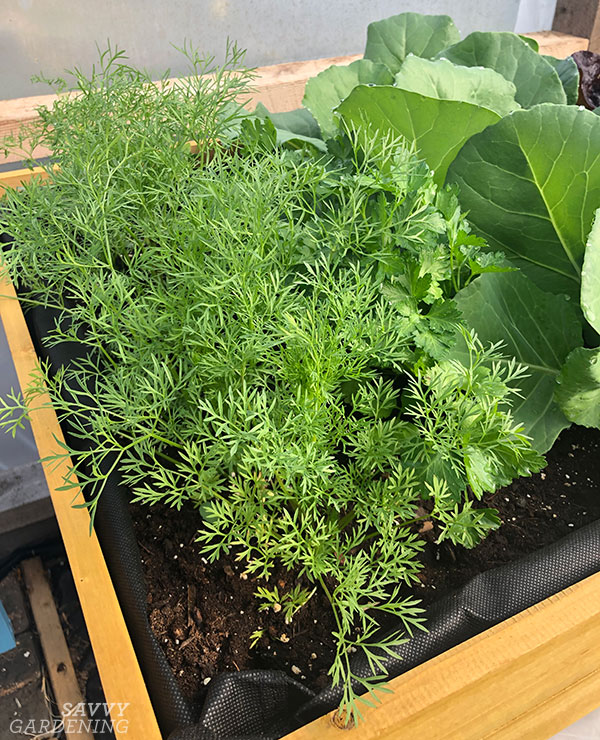
Are you ready to unlock the secret to a flourishing herb garden? If you’ve ever struggled to keep cilantro thriving, you’re not alone.
Many gardeners find themselves puzzled over where to plant cilantro to ensure its vibrant growth. But here’s the good news: with just a few simple tips, you can transform your garden into a cilantro haven. Imagine stepping outside, plucking fresh, aromatic leaves, and adding that unmistakable flavor to your dishes.
Intrigued? Keep reading to discover the perfect spot for cilantro in your garden, and soon you’ll be the envy of every home chef.

Credit: savvygardening.com
Choosing The Right Location
Selecting a sunny spot with well-drained soil is essential for cilantro’s growth. Ensure it receives 4-6 hours of sunlight daily. Avoid planting near taller plants that may overshadow it.
Choosing the right location for your cilantro is crucial to ensuring a healthy and productive plant. Cilantro can be a bit finicky, but with the right setup, it will thrive. Consider the environment your cilantro will grow in and tailor it to meet its specific needs.Sunlight Requirements
Cilantro loves the sun, but too much heat can cause it to bolt. Aim for a spot in your garden that gets morning sun and partial afternoon shade. This balance allows the plant to enjoy the warmth without overheating. If you live in a particularly hot climate, placing your cilantro near taller plants can provide some natural shade. Think of it as a protective barrier against the harsh afternoon sun.Avoiding Windy Areas
Wind can be the silent enemy of cilantro. Strong gusts can damage the delicate stems and leaves, leading to a stunted plant. Choose a location in your garden with some natural windbreaks, like a fence or hedge. Alternatively, you can create your own barriers using garden structures like trellises or even planting cilantro in between taller, sturdier plants. This provides a buffer against the wind. These simple adjustments can make a world of difference. Are you planting in a spot that shields your cilantro from harsh winds?Soil Considerations
Growing cilantro successfully in your garden begins with understanding the soil it thrives in. Without the right soil considerations, your cilantro might struggle to reach its full potential. Let’s explore what you need to know about the soil to ensure a bountiful cilantro harvest.
Soil Type And Quality
Cilantro prefers a loamy soil that is rich in organic matter. Loamy soil balances clay, silt, and sand, providing the nutrients cilantro needs to grow robustly. You can test your soil’s quality by squeezing it in your hand; it should hold its shape but break apart easily.
Enrich your garden soil with compost or well-rotted manure to improve its texture and nutrient content. This enhances the soil’s ability to retain moisture while allowing excess water to drain away. If your soil is heavy clay or too sandy, amend it to achieve the right balance for cilantro.
Drainage Importance
Good drainage is critical for cilantro, as it does not tolerate waterlogged conditions. Excess water can lead to root rot, a common problem that stunts growth. Ensure your garden bed has adequate drainage by creating raised beds or amending the soil with sand or gravel if necessary.
Consider using a simple test to check your soil’s drainage. Dig a small hole and fill it with water; if it drains within a few hours, your soil is likely suitable for cilantro. If not, you may need to take steps to improve drainage to prevent standing water around your plants.
Have you ever noticed how cilantro wilts in soggy soil? Adjusting drainage is key to keeping your plants healthy and vibrant. Remember, thriving cilantro starts with the right soil conditions, so invest time in preparing your garden bed accordingly.
Proximity To Other Plants
Plant cilantro near basil, parsley, and mint for better growth. These herbs create a supportive environment, enhancing cilantro’s flavor and health. Avoid planting near fennel, which can hinder cilantro’s development.
Planting cilantro in your garden can be an exciting endeavor, especially if you consider its proximity to other plants. Understanding which plants to place nearby can enhance the growth and health of your cilantro. You might be surprised how your garden’s ecosystem can be a game-changer for your cilantro’s success.Companion Planting Benefits
Planting cilantro near certain herbs and vegetables can significantly boost its growth. Basil, mint, and parsley make excellent companions for cilantro. They not only share similar water and sunlight needs but can also help repel harmful pests. Similarly, vegetables like tomatoes and peppers can benefit from cilantro’s ability to attract beneficial insects. These insects, such as ladybugs, can help manage pests like aphids that might otherwise harm your crops.Avoiding Competing Plants
While cilantro has its allies, some plants should be kept at a distance. Avoid planting cilantro near fennel. Fennel can inhibit the growth of cilantro by competing for nutrients and space. Root vegetables like carrots may also compete with cilantro for soil nutrients. If you’re keen on growing both, ensure they have ample space and consider rotating them each season to maintain soil health. Have you ever noticed how one plant seems to overshadow another in your garden? By choosing the right companions and avoiding competitors, you can create a thriving environment for your cilantro. Why not experiment and see what combinations work best for your space?Temperature And Climate
Plant cilantro in a sunny spot with partial shade in hot climates. Cool, mild temperatures are ideal for growth. Ensure well-drained soil to prevent root rot.
Cilantro thrives in specific temperature and climate conditions. Understanding these factors helps in growing healthy plants. Knowing the right time and environment is key. Here’s how temperature and climate influence cilantro growth.Ideal Temperature Range
Cilantro prefers cooler weather. The ideal temperature range is between 50°F and 85°F. High temperatures can cause the plant to bolt. Bolting means it flowers and goes to seed too early. In colder climates, cilantro may need some protection. Use mulch or row covers to keep it warm.Seasonal Planting Tips
Plant cilantro in early spring or late summer. These seasons offer cooler temperatures. In hot climates, consider partial shade to protect cilantro. Morning sun and afternoon shade work well. Regular watering keeps the soil moist and cool. Avoid planting in the peak of summer heat.Maximizing Yield
Select a sunny spot with well-drained soil to plant cilantro. Ensure partial shade during hot afternoons to prevent bolting. Regular watering helps maintain lush growth for a bountiful harvest.
Maximizing the yield of cilantro in your garden requires strategic planting. Cilantro thrives with the right conditions and care. To get the most from your cilantro plants, consider smart planting techniques.Succession Planting
Succession planting helps maintain a steady supply of cilantro. Plant new seeds every two to three weeks. This ensures a continuous harvest. Cilantro can bolt quickly in hot weather. Planting in succession prevents gaps in your harvest. It keeps the cilantro fresh and available.Using Containers And Raised Beds
Containers and raised beds offer great control over cilantro growth. They allow for better drainage and soil quality. Use a well-draining potting mix. Ensure containers have drainage holes. Raised beds warm up faster in spring, promoting early growth. Position containers in a sunny spot. This ensures cilantro gets enough light. Adjust the position if the weather changes. This flexibility helps maximize yield.
Credit: lovelygreens.com

Credit: www.youtube.com
Frequently Asked Questions
What Not To Plant Cilantro Next To?
Avoid planting cilantro near fennel, as fennel can inhibit cilantro’s growth. Keep cilantro away from basil and rosemary, as they prefer different soil conditions. Maintain distance from dill, which may compete for resources. Ensure cilantro has its own space to thrive without competition from incompatible plants.
Where Is The Best Place To Plant Cilantro?
Plant cilantro in a sunny spot with well-drained soil. Ensure it receives at least 4-6 hours of sunlight daily. Choose a location with some afternoon shade in hot climates to prevent bolting. Maintain soil moisture consistently for optimal growth.
What Is The Secret To Growing Cilantro?
To grow cilantro successfully, plant seeds in well-drained soil. Ensure they receive sunlight and regular watering. Harvest leaves frequently to encourage growth. Avoid hot weather, which causes bolting. Use mulch to retain moisture. Rotate crops to prevent soil depletion. Regularly check for pests to maintain healthy plants.
Does Cilantro Prefer Shade Or Sun?
Cilantro thrives best in full sun but can tolerate partial shade. Ensure it receives at least 4-6 hours of sunlight daily. This helps cilantro grow healthier and enhances its flavor. Protect it from extreme afternoon sun in hot climates to prevent bolting.
Conclusion
Choosing the right spot for cilantro is crucial. Sunlight matters. Ensure the area gets morning light. Afternoon shade helps. Soil drainage is important too. Avoid heavy clay soil. Use raised beds if necessary. Spacing affects growth. Give plants room to spread.
Consider container planting for flexibility. Protect from strong winds. Harvest regularly for best results. Enjoy fresh cilantro in your dishes. Your garden can thrive with simple care. Happy gardening!


