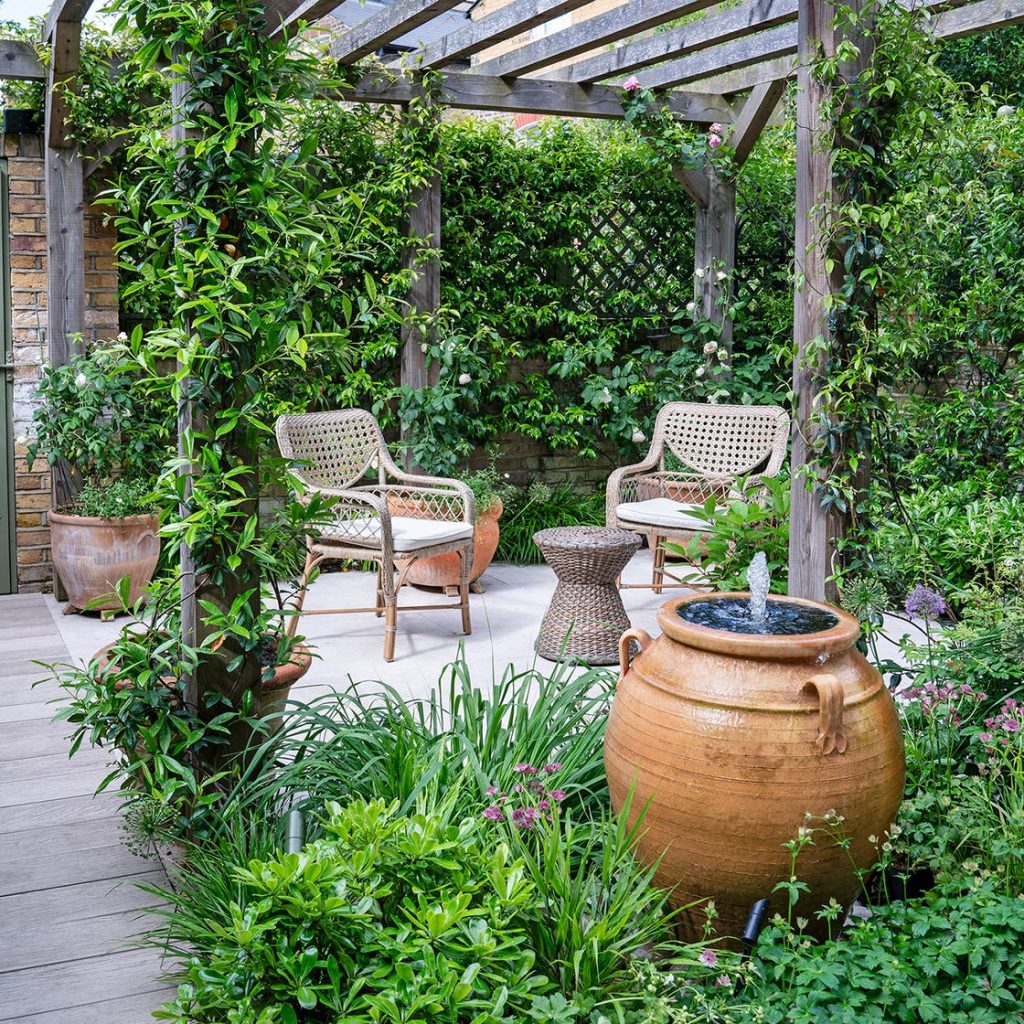
Imagine stepping into your backyard and being greeted by a lush, vibrant garden that reflects your personality and style. It’s not just a dream; it’s a reality you can create with the right guidance.
Whether you’re a seasoned green thumb or a complete beginner, designing a garden can seem like a daunting task. But don’t worry; you’re not alone. This guide will walk you through every step of the process, helping you transform your outdoor space into a personal oasis.
You’ll discover the secrets to choosing the right plants, designing with purpose, and creating a harmonious balance between beauty and functionality. As you read, you’ll find tips that tap into your innate desire for creativity and nature, making the process both enjoyable and rewarding. So, are you ready to unleash your inner garden designer? Dive in, and let’s start crafting a garden that not only grows plants but also grows happiness and tranquility in your life.
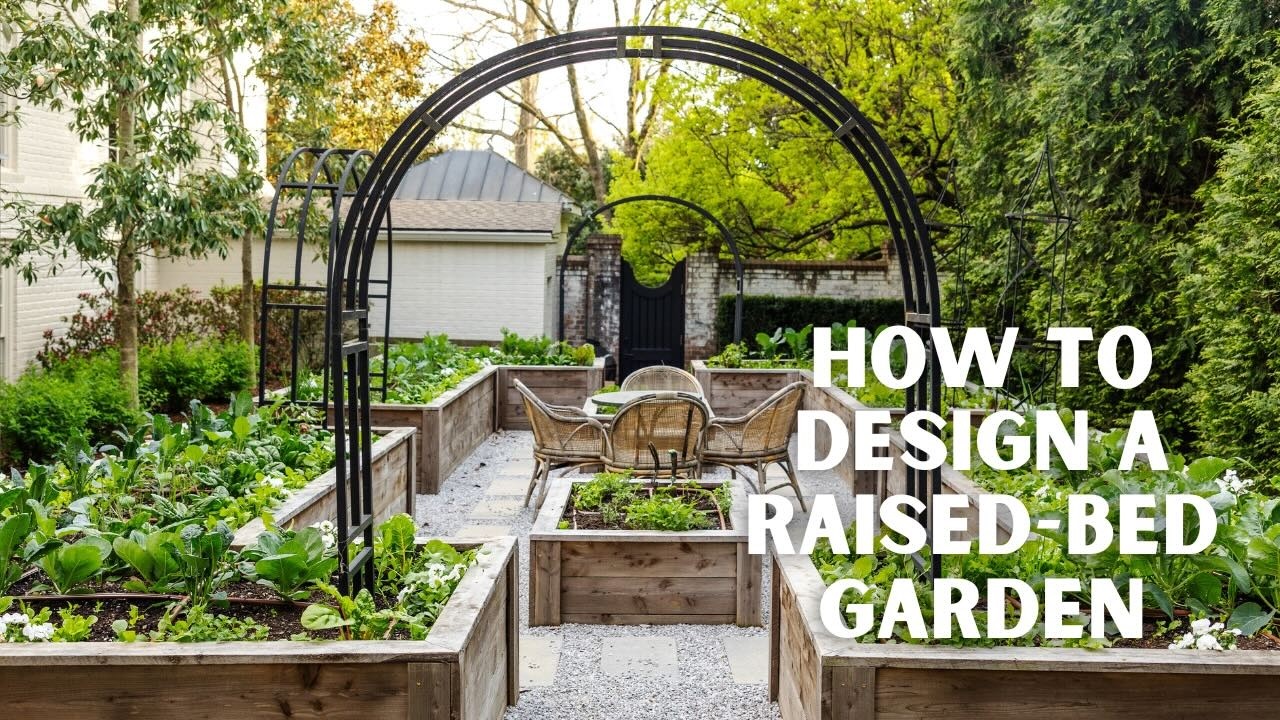
Credit: www.youtube.com
Choosing The Right Location
Designing a garden is an exciting venture, where the location plays a pivotal role in determining its success. Choosing the right spot can transform a simple patch of land into a flourishing oasis. But how do you determine the ideal location for your garden? Let’s delve into some essential factors to consider.
Assess Sunlight Exposure
Sunlight is a key factor for plant growth. Observe how sunlight moves across your yard throughout the day. Most vegetables and flowers thrive in areas with at least 6-8 hours of direct sunlight. If your space lacks sunlight, consider shade-loving plants or look into options for increasing light exposure.
Evaluate Soil Quality
The health of your garden largely depends on the soil. Conduct a simple soil test to determine its composition and nutrient levels. Rich, loamy soil is ideal for most plants. If your soil is sandy or clay-heavy, consider enriching it with compost or organic matter.
Consider Water Accessibility
Easy access to water can make or break your gardening efforts. Position your garden close to a water source to simplify watering routines. If you’re relying on rainwater, ensure your garden isn’t in a runoff zone that could lead to erosion or flooding.
Analyze Microclimates
Every yard has microclimates—areas with unique temperature, humidity, and wind conditions. Identify these spots to choose plants that will thrive in specific environments. For instance, a sheltered corner might be perfect for delicate plants that need protection from harsh winds.
Think About Convenience
Your garden’s location should be convenient for maintenance and harvesting. If it’s too far from your home, you might be less inclined to care for it regularly. Choose a spot that you pass by frequently, ensuring you remember to tend to your plants.
By carefully considering these elements, you’re well on your way to creating a garden that not only flourishes but also enriches your everyday life. Now, where will you plant your green paradise?
Assessing Sunlight And Shade
Understanding sunlight and shade is vital in garden design. Observe how light moves through your space daily. Choose plants that match these conditions for a thriving garden.
Designing a garden is a delightful endeavor that begins with understanding the natural elements of your space. One crucial aspect is assessing sunlight and shade. The dance of light and shadow can make or break your garden’s success. Knowing which areas bask in sunlight and which retreat into shade helps you choose the right plants and create a balanced environment.
Understanding Your Garden’s Light Patterns
Observe your garden at different times of the day. Notice how the sun moves across the space. This will reveal sunny and shaded areas. Early morning sun might be gentle, while the afternoon sun can be harsh. Does your garden get dappled sunlight through trees? These patterns determine what you can plant where.
Identifying Full Sun, Partial Shade, And Full Shade Areas
Create a simple map of your garden. Mark areas that receive more than six hours of direct sunlight as full sun. Partial shade areas get three to six hours, while full shade spots receive less than three. This map is your guide to plant selection. For instance, sun-loving vegetables thrive in full sun, while ferns prefer the cool respite of shade.
Impact Of Structures And Trees
Buildings, fences, and trees cast shadows that shift throughout the day. Consider how these structures affect light in your garden. A tall fence might provide much-needed shade in a sunny spot. Conversely, a tree might block sunlight needed by certain plants. Understanding these interactions helps you make informed decisions.
Practical Tips For Balancing Light And Shade
Think about using reflective surfaces like mirrors or white walls to bounce light into shaded areas. Prune trees strategically to allow more light through. You could also use trellises to create shade for delicate plants. These simple adjustments can significantly enhance your garden’s light balance.
Personal Insight: Trial And Observation
I once planted a row of sunflowers in what I thought was a sunny spot. They grew lanky and weak due to unexpected afternoon shade from a nearby tree. This taught me the importance of observing sunlight patterns before planting. Have you ever faced such surprises in your garden? Understanding these nuances can transform your gardening experience. Assessing sunlight and shade isn’t just about planting; it’s about creating harmony. By thoughtfully considering light and shadow, you can craft a garden that thrives.
Understanding Soil Quality
Understanding soil quality is key to garden design. Good soil supports healthy plants and helps them grow strong. Testing soil lets you know its nutrients, pH level, and texture for better gardening results.
Designing a garden involves numerous elements, but understanding soil quality is key to creating a thriving and sustainable space. Soil is the foundation upon which your plants grow, and its quality directly impacts their health and productivity. Before you start planting, get to know your soil’s texture, nutrients, and drainage capabilities. These factors will guide you in choosing the right plants and amendments for your garden.
Assessing Soil Texture
Soil texture refers to the proportion of sand, silt, and clay in your garden bed. Each type affects water retention and aeration. Grab a handful of soil and feel its texture. Is it gritty, smooth, or sticky? This simple test can reveal a lot about your garden’s potential. Consider a sandy soil for root vegetables, as it drains well and encourages root growth. If your soil feels sticky and retains water, it might be clay-heavy, perfect for moisture-loving plants like hostas.
Checking Nutrient Levels
Healthy soil is teeming with nutrients essential for plant growth. Conduct a soil test to determine nutrient levels and pH balance. Many garden centers offer kits that are easy to use. Low nitrogen levels can lead to stunted growth, while too much phosphorus can cause poor flowering. Adjusting nutrient levels through organic compost or fertilizers can significantly improve your garden’s output.
Understanding Drainage Capabilities
Drainage is crucial for preventing root rot and ensuring plants get the right amount of water. Observe your garden after heavy rain. Does water pool on the surface, or does it disappear quickly? Use raised beds or install drainage systems if your garden struggles with excess water. For dry, fast-draining soil, consider adding organic matter to help retain moisture.
Personal Experience: Soil Surprises
I once planted roses in what I thought was perfect soil. They struggled, and I couldn’t figure out why. A soil test revealed high clay content, suffocating the roots. By adjusting the drainage and adding organic matter, the roses flourished. Have you ever been surprised by your soil’s behavior? Share your experiences and see how small changes can make a big difference. Understanding soil quality isn’t just about technical details; it’s about connecting with the earth and setting the stage for a vibrant garden. Dive in, and let your garden grow!
Selecting Plants And Flowers
Designing a garden involves selecting plants and flowers that thrive in your climate and soil type. Choose vibrant colors and varied heights to create visual interest. Match plant care needs with your schedule to ensure a beautiful, sustainable garden.
Designing a garden is a delightful journey, and choosing the right plants and flowers is crucial to creating a harmonious outdoor space. Your garden’s personality emerges through the colors, textures, and scents of the plants you select. The choices you make will not only influence the garden’s appearance but also its sustainability and maintenance.
Native Vs. Exotic Plants
Deciding between native and exotic plants can shape your garden’s character and its environmental impact. Native plants, those that naturally occur in your region, are often easier to care for. They are adapted to local soil, climate, and wildlife, requiring less water and fertilizers. Exotic plants, on the other hand, can offer unique aesthetics and a touch of the unexpected. But they might demand more attention and care. They can sometimes become invasive, disrupting local ecosystems. Do you prefer a low-maintenance garden that supports local biodiversity, or are you drawn to the allure of the exotic?
Seasonal Blooms
A garden that evolves with the seasons can be a source of ongoing delight. Plan for a variety of blooms throughout the year to keep your garden vibrant. Spring might bring tulips and daffodils, while summer showcases roses and sunflowers. Consider how each plant will look in different seasons. Some may have beautiful blooms in spring, while others offer stunning foliage in fall. This seasonal diversity ensures that your garden remains a dynamic and engaging space year-round. How can you blend these seasonal variations to create a garden that surprises and delights with every change in weather?
Incorporating Hardscapes
Transform your garden by integrating hardscapes like patios and pathways. These elements add structure and functionality, enhancing your outdoor space’s aesthetic appeal.
Designing a garden is not just about plants and flowers. Hardscapes add structure, functionality, and aesthetic appeal to your outdoor space. They can transform an ordinary garden into a captivating landscape. Incorporating elements like pathways, patios, and water features can enhance your garden’s usability and beauty. Let’s dive into these options and see how they can elevate your garden design.
Pathways And Patios
Pathways guide you through the garden, making exploration easy and enjoyable. Consider using materials like stone, gravel, or brick to create a path that complements the natural surroundings. A well-designed pathway not only connects different areas but also adds a sense of mystery and intrigue—where does this path lead? Patios offer a place to relax and entertain. They serve as an extension of your home, bringing comfort outdoors. Whether you choose a cozy corner for morning coffee or a spacious area for family gatherings, patios can be tailored to your lifestyle needs.
Water Features
Water features can bring tranquility and a touch of nature’s elegance to your garden. The gentle sound of flowing water from a fountain or pond can create a peaceful atmosphere. Consider the size and style that fits your garden; even a small water feature can make a big impact. Think about maintenance and placement. A strategically placed water feature can become a focal point, drawing the eye and enhancing the overall design. Are you ready to add a bit of serenity and beauty to your garden with water?
Creating Focal Points
Creating focal points enhances garden design by drawing the eye to specific areas. Use statues, water features, or unique plants to create interest and balance. These elements can transform a simple garden into a captivating space.
Creating focal points in a garden draws the eye and adds interest. These special spots guide visitors through your garden. They create a sense of journey and discovery. A focal point can be a plant, a statue, or even a bench. It should stand out but also blend harmoniously with the surroundings.
Choosing The Right Focal Point
Select something that contrasts with the rest of the garden. It could be a vibrant flower or a unique sculpture. The right choice draws attention without overwhelming.
Positioning Your Focal Point
Place focal points where they are easily seen. Think about lines of sight from your home or paths. A well-placed focal point can lead visitors deeper into the garden.
Using Plants As Focal Points
Choose plants with unique shapes or colors. Tall plants or trees can naturally become focal points. Make sure they complement the overall design of your garden.
Incorporating Non-plant Elements
Consider using birdbaths, fountains, or garden art. These can add texture and variety. They also provide visual interest throughout the year.
Creating Focal Points With Lighting
Use lighting to highlight features at night. Lights can make a simple tree look dramatic. They can also create a cozy and inviting atmosphere.
Maintaining Your Focal Points
Regular maintenance keeps your focal points looking fresh. Prune plants and clean non-plant elements. Ensure lighting is working properly for continued visual appeal.
Designing For Wildlife
Creating a garden for wildlife involves choosing native plants and providing shelter. Water sources and diverse plant life attract different species. Design pathways that allow animals to explore safely.
Designing a garden for wildlife brings nature closer to home. This approach helps create a sanctuary for birds, insects, and other creatures. By focusing on wildlife-friendly design, you contribute to biodiversity and enjoy a lively garden. Let’s explore two vital aspects: attracting birds and choosing pollinator-friendly plants.
Attracting Birds
Birds add life and color to any garden. Attracting them requires planning and thoughtful plant selection. Consider native shrubs and trees. These provide shelter and nesting sites. Fruits and berries offer natural food sources. Install bird feeders to supplement their diet. Fresh water is essential. A bird bath or small pond works well. Keep water clean and accessible. Avoid chemicals. They harm birds and other wildlife.
Pollinator-friendly Plants
Pollinators are vital for plant reproduction. Bees, butterflies, and other insects need nectar-rich plants. Choose a variety of flowers that bloom at different times. This ensures food availability year-round. Native plants are best. They adapt well and support local wildlife. Avoid pesticides. They can kill pollinators. Consider a mix of colors and shapes. These attract diverse pollinator species. Use herbs like lavender and thyme. These are favorites among bees. A pollinator garden is vibrant and full of life.

Credit: awaytogarden.com
Considering Maintenance Needs
Designing a garden involves planning for upkeep. Select plants that match your climate and time for care. Ensure paths are accessible for easy maintenance, preventing unnecessary effort.
Designing a garden involves more than just choosing plants. Maintenance is a crucial factor. Considering maintenance needs helps ensure your garden remains vibrant and healthy. A well-planned garden reduces the effort required for upkeep. This section will explore how to design a garden with maintenance in mind.
Understanding Plant Growth And Lifespan
Different plants have unique growth patterns. Some grow fast and need regular pruning. Others may have a slower growth rate. Understanding these patterns can ease maintenance. Choose plants that match your gardening style. Consider their lifespan, too. Perennials return year after year, needing less replanting.
Choosing Low-maintenance Plants
Select plants that require minimal care. Native plants are a great choice. They adapt well to local conditions. Drought-resistant plants save water and reduce watering needs. Ground covers can minimize weeds and save time spent on weeding.
Implementing Efficient Watering Systems
Watering is a key part of garden maintenance. Install drip irrigation systems for efficiency. They deliver water directly to plant roots. This reduces water waste. Timers can automate watering schedules. They ensure plants get enough water, even when you’re busy.
Planning For Seasonal Changes
Seasonal changes affect garden maintenance. Plan for these changes in advance. Use mulch to protect plants during cold months. Mulch also helps retain soil moisture in summer. Choose plants that thrive in your region’s climate.
Creating Accessible Pathways
Easy access simplifies garden maintenance. Design clear pathways between plant beds. This makes tasks like pruning and watering easier. Use durable materials for paths. They should withstand weather and foot traffic.
Organizing Tools And Supplies
Keep gardening tools organized. Store them in a shed or designated area. This reduces time spent searching for tools. Regularly clean and maintain tools for efficiency. Replace any broken tools to ensure they work well.
Scheduling Regular Maintenance
Create a maintenance schedule. Regular tasks include watering, weeding, and pruning. Stick to this schedule to keep the garden healthy. Routine checks help identify issues early. Addressing problems promptly prevents bigger issues later.
Balancing Color And Texture
Balancing color and texture brings harmony to garden design. Use vibrant flowers against soft foliage for contrast. Mix different plant heights and leaf shapes to create depth and interest.
Balancing color and texture in garden design creates harmony and interest. A well-balanced garden draws the eye and soothes the senses. Use a mix of colors and textures to craft a lively space. Consider plant shapes, leaf sizes, and flower colors. Together, these elements can transform a garden into a vibrant masterpiece.
Understanding Color Schemes
Choose a color scheme that suits your garden’s mood. Bright colors like red and yellow energize. Soft shades like pastels calm and relax. Use a color wheel to find complementary and contrasting colors. This tool helps create balance and harmony.
Playing With Textures
Texture adds depth and dimension to your garden. Mix plants with different leaf textures. Smooth, glossy leaves contrast well with fuzzy or spiky ones. This variety adds interest and keeps the garden visually engaging.
Combining Colors And Textures
Blend colors and textures for a dynamic garden. Pair bold colors with subtle textures. This creates a striking contrast. Alternatively, match similar textures with varied colors for a cohesive look. Experiment to find the best combinations.
Seasonal Considerations
Plan for year-round color and texture. Choose plants that bloom at different times. This ensures your garden remains vibrant through all seasons. Consider how textures change with the seasons as well.
Using Focal Points
Focal points draw attention and anchor the design. Use unique plants or garden art as focal points. Position them thoughtfully to enhance the balance of color and texture. This guides the viewer’s eye through the garden.
Testing And Adjusting
Experiment with different plant arrangements. Observe how colors and textures interact in your space. Make adjustments as needed. Sometimes, small changes make a big impact. Keep refining until the garden feels balanced and inviting.

Credit: www.veranda.com
Maximizing Small Spaces
Creating a garden in small spaces involves clever design and plant selection. Vertical gardening maximizes space, using walls and fences. Choose compact plants and containers to enhance the area without overcrowding.
Maximizing Small Spaces in your garden design is both an art and a science. With limited ground to work with, creativity becomes your best ally. Imagine transforming that tiny corner or narrow strip into a verdant oasis. It’s possible, and it can be incredibly rewarding. You don’t need acres; just a sprinkle of imagination and some savvy strategies.
Utilize Vertical Space
Think beyond the ground. Vertical gardening is a game-changer for small spaces. Hang planters on walls or use trellises to support climbing plants. They add a lush layer of greenery without consuming valuable ground area. You can even repurpose old ladders or shelves to create tiered garden beds, maximizing your planting surface.
Choose Multi-functional Plants
Selecting plants that serve multiple purposes can save space and add diversity. Opt for herbs like basil or rosemary, which are not only culinary delights but also attract pollinators. Consider dwarf fruit trees that provide shade, beauty, and tasty fruits all in one compact package.
Create Cozy Seating Areas
Don’t just fill your garden with plants; make it a space to relax. A small bench or a couple of foldable chairs can turn a tiny garden into a personal retreat. Position seating near fragrant plants or a small water feature to enhance the sensory experience.
Use Containers Wisely
Containers aren’t just for patios. They can be a small space gardener’s best friend. Use a variety of sizes to create depth and interest. Containers allow you to easily move plants and experiment with different arrangements. Plus, they help manage soil quality and drainage.
Reflect Light To Open Up Space
Mirrors can be magical in a garden. Strategically placed, they reflect light and create an illusion of more space. Try hanging a mirror on a fence or wall. Not only will it make your garden look bigger, but it will also amplify the beauty of your plants. Maximizing small spaces is about making smart choices. Can you imagine sitting in your tiny garden, surrounded by lush greenery and the soothing sound of water? With thoughtful design, you can turn even the smallest plot into your own paradise. What will you create in your small space?
Sustainable Gardening Practices
Design a garden with sustainable practices by choosing native plants. They require less water and maintenance. Incorporate composting to enrich soil naturally, reducing the need for chemical fertilizers. Use rainwater harvesting techniques to conserve water, ensuring your garden thrives while being eco-friendly.
Sustainable gardening practices are crucial for creating an eco-friendly garden. They help preserve resources and support the environment. By focusing on methods like water conservation and composting, gardeners can reduce waste and enhance soil health. These practices not only benefit the planet but also enrich the garden’s vitality.
Water Conservation
Conserving water is essential for sustainable gardening. Use drip irrigation systems to target plant roots directly. This method minimizes water waste and ensures plants get enough moisture. Collect rainwater in barrels to water your garden. It’s an effective way to utilize natural resources. Mulching around plants can reduce water evaporation. Organic mulch helps retain soil moisture and suppress weeds.
Composting
Composting turns kitchen scraps into valuable nutrients. It reduces landfill waste and enriches garden soil. Start a compost pile with fruit peels, vegetable scraps, and coffee grounds. Turn it regularly for better aeration and faster decomposition. Finished compost improves soil structure and promotes plant growth. It acts as a natural fertilizer, enhancing garden productivity.
Using Garden Accessories
Incorporating garden accessories can transform any outdoor space into a charming retreat. Select items like bird baths, planters, or decorative lights to enhance the garden’s aesthetic. These elements add personality and style, making your garden inviting and unique.
Designing a garden is an art. Using garden accessories can transform any outdoor space into a charming oasis. They add personality and style, enhancing the natural beauty of your garden. From elegant sculptures to practical lighting, accessories play a crucial role in garden design. They can highlight specific areas, create focal points, or add a splash of color.
Choosing The Right Accessories
Selecting the right accessories is vital. Consider the theme and size of your garden. Large sculptures suit expansive gardens, while small ornaments fit cozy spaces. Choose materials that withstand weather changes. Metal and stone are durable options.
Adding Decorative Elements
Decorative elements like wind chimes or bird baths add charm. They attract wildlife and create soothing sounds. Consider colors that complement your plants. Bright colors can liven up dull areas, while neutral tones blend seamlessly.
Incorporating Functional Accessories
Functional accessories enhance usability. Install garden benches for resting spots. Add outdoor lighting for evening visibility. Lighting can highlight paths or showcase plants. Solar lights are eco-friendly and cost-effective.
Using Water Features
Water features bring tranquility. Install a small fountain or pond. The sound of flowing water is calming. It can also attract birds, adding life to your garden. Ensure water features are safely installed. Focal points draw attention. Use a striking sculpture or an ornate planter. Position them strategically for maximum impact. They guide the eye and create visual interest. Focal points make your garden unique.
Maintaining Garden Accessories
Regular maintenance is essential. Clean accessories to preserve their beauty. Check for rust or damage. Proper care extends their lifespan. Well-maintained accessories keep the garden inviting.
Frequently Asked Questions
How To Layout A Garden For Beginners?
Begin by sketching your garden on paper. Consider sunlight, wind, and water sources. Choose easy-to-grow plants. Group plants with similar needs together. Leave space for paths and future growth. Keep it simple and manageable.
Is There An App To Help Me Design My Garden For Free?
Yes, free apps like Garden Planner and iScape can help design your garden. They offer user-friendly tools and features for garden visualization and planning. These apps can assist in creating layouts, selecting plants, and estimating costs, making garden design accessible to everyone.
What Is The 70/30 Rule In Gardening?
The 70/30 rule in gardening advises using 70% native plants and 30% non-native plants. This approach promotes biodiversity, supports local ecosystems, and requires less maintenance, creating a balanced and sustainable garden environment. Native plants adapt better to local conditions, while non-natives add diversity and aesthetic variety.
What Is The Gardening 3 Year Rule?
The gardening 3-year rule suggests rotating crops every three years to prevent soil depletion and reduce pest buildup. This practice helps maintain soil fertility and promotes healthy plant growth. Crop rotation also minimizes disease risks, ensuring a balanced and sustainable garden ecosystem.
Conclusion
A well-designed garden offers peace and joy. Start small. Choose plants that suit your climate. Arrange them for easy maintenance. Paths enhance accessibility and beauty. Add seating for relaxation. Water features bring tranquility and life. Lighting extends enjoyment into the evening.
Consider colors that change with seasons. Use natural materials for harmony. Regular care keeps your garden thriving. Personal touches make it unique. Enjoy the process. Your garden reflects your creativity and love for nature. Celebrate your achievements. Invite friends to admire and relax.
A garden grows with you. Keep exploring ideas and enjoy every moment.


