
Imagine stepping into a garden so beautiful and serene, it’s said to be the birthplace of humanity itself. The Garden of Eden, a place shrouded in mystery and wonder, has intrigued thinkers and dreamers for centuries.
Yet, one question continues to captivate: What were the trees in this legendary paradise? As you explore this fascinating topic, you might find yourself pondering the symbolism and secrets these trees hold. Are they simply myth, or do they reveal deeper truths about life and existence?
By the end of this article, you’ll not only have a clearer picture of the flora that may have flourished in Eden but also a richer understanding of their significance. Get ready to dive into a world where nature and myth intertwine, promising insights that could reshape how you view the natural world around you.

Credit: www.facebook.com
Biblical Account Of The Garden Of Eden
The Garden of Eden is a captivating story from the Bible. It is described as a paradise where the first humans, Adam and Eve, lived. This garden is rich with beauty and mystery. The Bible offers vivid details about its trees and significance.
In Genesis, the Garden of Eden is said to be full of lush trees. These trees provided fruit and shade. They were delightful to the eye and nourishing to the body.
Genesis Description Of The Trees
Genesis mentions two special trees in Eden. The Tree of Life and the Tree of Knowledge of Good and Evil. These trees held deep meaning and symbolized choice and consequence.
The Tree of Life is often seen as a source of eternal life. Its fruit was believed to grant immortality.
The Tree Of Knowledge
The Tree of Knowledge was central to Adam and Eve’s story. Eating its fruit led to the awareness of good and evil. It marked a turning point in human existence.
God instructed them not to eat from this tree. Yet, its allure proved irresistible.
Symbolism Of The Trees
These trees symbolize vital themes in biblical teachings. The Tree of Life represents hope and renewal. It is a reminder of God’s eternal promise.
The Tree of Knowledge embodies choice and freedom. It signifies the human quest for wisdom.
Location And Setting
The Garden of Eden was said to be in Mesopotamia. It was a fertile area with abundant water sources. Rivers like the Tigris and Euphrates nourished its soil.
This setting made it ideal for a variety of trees. The garden was a perfect habitat for life.
Impact On Culture And Religion
The story of Eden’s trees is influential in many cultures. It is often depicted in art and literature. The narrative reflects human struggles and aspirations.
Religious teachings often reference these trees. They are symbols of moral and spiritual lessons.
Tree Of Life
Trees in the Garden of Eden include the Tree of Life and the Tree of Knowledge of Good and Evil. These trees symbolize life and wisdom in biblical texts. They hold significant spiritual and cultural meanings across various religions and traditions.
In the heart of the Garden of Eden stood the Tree of Life. This tree represented eternal life and divine connection. It was a symbol of immortality and spiritual nourishment. The Tree of Life was more than a physical plant; it held deep significance.Symbolism And Meaning
The Tree of Life symbolizes eternal life and divine presence. It represents the connection between heaven and earth. Its roots reach deep, signifying grounding and strength. The branches stretch towards the sky, symbolizing growth and aspiration. In many traditions, it signifies rebirth and renewal.Cultural Interpretations
Different cultures interpret the Tree of Life uniquely. In Christianity, it represents eternal life with God. In Judaism, it symbolizes wisdom and eternal life. In ancient Egypt, it was a symbol of life and death cycles. Many cultures see it as a tree of knowledge and enlightenment. The tree also appears in art, literature, and religious texts. Each culture adds its unique understanding and significance.Tree Of Knowledge Of Good And Evil
The Tree of Knowledge of Good and Evil stood in the Garden of Eden. It symbolized the choice between obedience and disobedience. This tree, alongside the Tree of Life, was central to the biblical story of Adam and Eve.
The ‘Tree of Knowledge of Good and Evil’ is one of the most enigmatic and debated elements in the Garden of Eden narrative. It symbolizes the pivotal moment when humanity faced the choice between obedience and rebellion. This tree represents the threshold of moral consciousness, raising profound questions about the nature of choice and the consequences of action.Role In The Biblical Narrative
In the Bible, the Tree of Knowledge of Good and Evil is central to the story of Adam and Eve’s fall from grace. It was the one tree that God commanded them not to eat from, yet its allure proved irresistible. This narrative highlights a compelling moment of choice and consequence. How often do you find yourself drawn to what is forbidden, despite knowing the potential repercussions? The decision to eat from this tree shifted the course of human history. Adam and Eve’s choice led to the loss of innocence and the introduction of sin into the world. This story invites reflection on the power of choices in your own life and the ripple effects they may have.Theological Implications
The theological implications of the Tree of Knowledge of Good and Evil are profound. It raises questions about free will, obedience, and the nature of temptation. The tree serves as a symbol of humanity’s capacity to discern right from wrong, a trait that distinguishes humans from other creatures. From a theological perspective, the tree challenges you to consider your relationship with divine commands and moral boundaries. Are you willing to confront the complexities of moral choice and its consequences? This tree is more than just a narrative device; it is a call to introspection. It encourages you to ponder the balance between knowledge and faith, and the role of divine wisdom in guiding human decisions. What are the moral dilemmas you face, and how do you navigate them?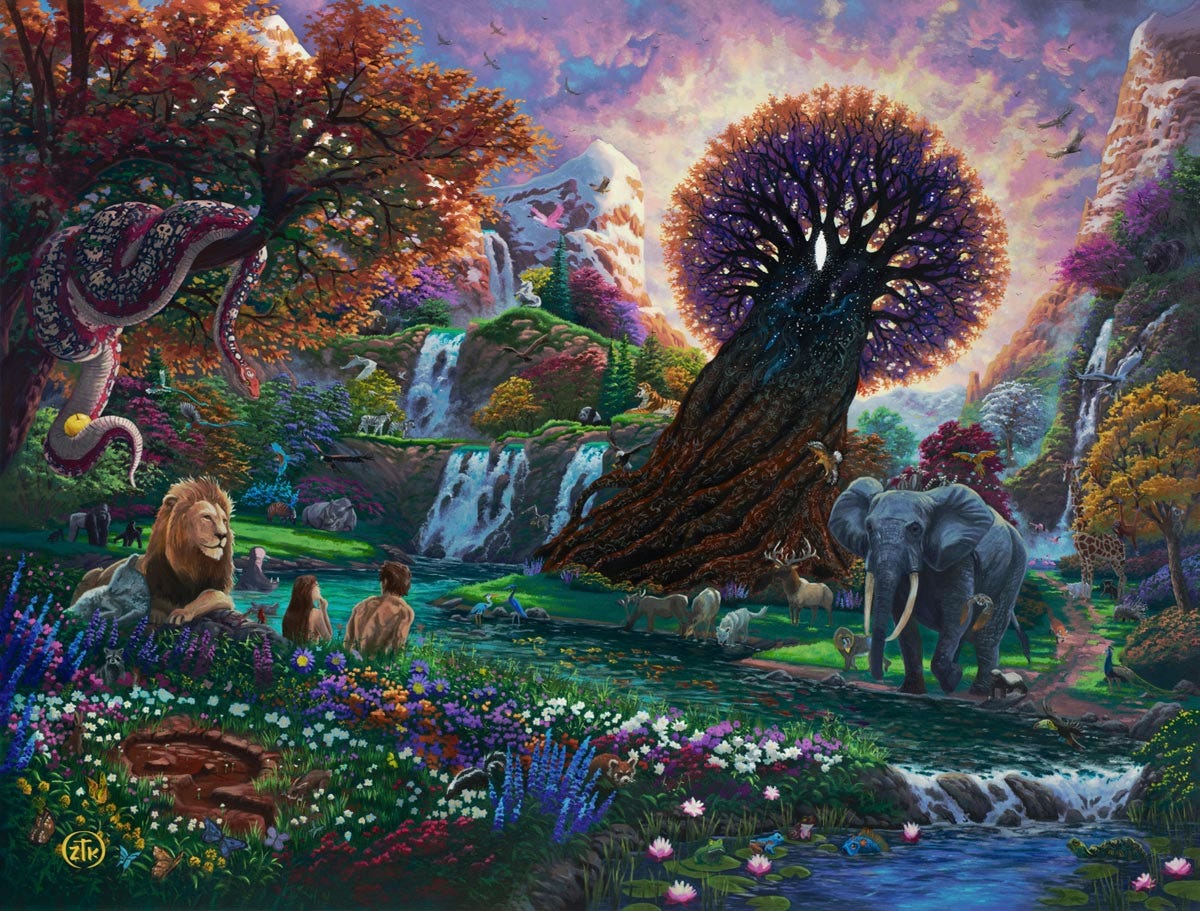
Credit: medium.com
Other Trees In The Garden
The Garden of Eden, a place of beauty and mystery, contained many trees. While the Tree of Knowledge and the Tree of Life are most famous, other trees also grew there. These trees added richness and variety to the garden. Each tree held its own special place and purpose.
Significance Of Diversity
Diversity in the Garden of Eden meant more than just beauty. Various trees supported life, offering food, shade, and shelter. This variety showed the abundance and creativity of nature. Different trees supported different creatures, forming a balanced ecosystem. Such diversity ensured harmony within the garden.
Potential Symbolic Roles
Each tree could symbolize different aspects of life or knowledge. Some trees might represent growth and renewal. Others might symbolize wisdom or strength. These symbols enriched the stories and lessons of the garden. They offered deeper meanings and insights into human life. Understanding these roles can deepen our connection to nature.
Ancient Texts And Interpretations
Biblical scholars explore the Garden of Eden’s trees, the Tree of Knowledge and the Tree of Life. These trees symbolize wisdom and eternal life, sparking diverse interpretations across cultures and religions. Ancient texts offer rich insights into these mystical symbols, inviting endless curiosity and reflection.
Exploring the trees in the Garden of Eden is a fascinating journey. Ancient texts offer different interpretations of these mystical trees. The Garden of Eden, as described in religious scriptures, holds profound symbolism. Understanding these interpretations can provide insight into cultural and spiritual beliefs.Jewish Mystical Perspectives
In Jewish mysticism, the Garden of Eden is rich with symbolism. The Tree of Life represents divine wisdom and spiritual growth. It symbolizes the connection between God and humanity. The Tree of Knowledge of Good and Evil symbolizes moral choice. Eating its fruit leads to awareness and responsibility. These interpretations emphasize balance between knowledge and spiritual life.Christian Theological Views
Christian theology offers varied interpretations of Eden’s trees. The Tree of Life often symbolizes eternal life and salvation. It represents God’s promise of eternal joy and peace. The Tree of Knowledge is often seen as a test of obedience. Its fruit symbolizes the choice between good and evil. These views focus on faith, redemption, and moral guidance. Understanding these interpretations enriches the spiritual journey.
Credit: www.biblestudytools.com
Archaeological Insights
Archaeological insights offer a fascinating lens into the Garden of Eden’s trees. Ancient texts and artifacts provide clues about these biblical flora. Historians and archaeologists piece together information from diverse sources. They aim to understand what trees might have existed in Eden. Their discoveries lead to intriguing theories and discussions.
Evidence From Ancient Mesopotamia
Mesopotamia, known as the “Cradle of Civilization,” holds ancient secrets. Clay tablets reveal stories and symbols of trees. The Sumerians, who lived in Mesopotamia, revered certain trees. These trees symbolized life, wisdom, and knowledge. Archaeological findings suggest possible links to Eden’s trees. They discovered carvings of trees resembling the Tree of Life. These carvings depict trees with fruits and sacred animals. Such evidence hints at connections to biblical tales.
Comparative Analysis With Other Cultures
Many cultures have stories of sacred trees. These stories share similarities with Eden’s trees. Ancient Egyptians worshiped the sycamore tree. They believed it offered protection and sustenance. In India, the banyan tree is a symbol of immortality. These cultural symbols provide valuable insights.
By comparing these stories, researchers find common themes. They notice recurring motifs of life-giving trees. These motifs echo the biblical narrative of Eden. Through comparative analysis, we explore universal connections. Each culture enriches our understanding of Eden’s mystical trees.
Modern Interpretations
The Garden of Eden has intrigued people for centuries. The trees in this mythical garden hold significant meaning. Modern interpretations offer fresh perspectives on these ancient symbols. Today, scholars and enthusiasts explore their impact on literature, art, and religious beliefs.
Influence On Literature And Art
Artists have depicted the Garden of Eden in numerous ways. Paintings often show lush landscapes with mysterious trees. Literature reflects these symbols through vivid storytelling. Writers use the tree as a metaphor for temptation or wisdom. These interpretations enrich the narrative, inviting readers to ponder deeper meanings.
In art, the trees often represent beauty and danger. Artists capture the duality found in Eden. Their work invites viewers to explore these complex themes. Literature uses the trees to symbolize moral choices. The stories challenge readers to reflect on their own decisions.
Contemporary Religious Views
Religious interpretations of Eden’s trees vary widely. Some view them as literal representations of divine tests. Others see them as allegories for human experiences. These views shape modern spiritual teachings.
Many religions find lessons in the story of Eden. The trees symbolize knowledge, choice, and consequence. They serve as reminders of faith and redemption. This narrative continues to inspire believers across the globe. Each interpretation offers unique insights into human nature.
Frequently Asked Questions
What Was The Tree In Garden Of Eden?
The tree in the Garden of Eden is the Tree of Knowledge of Good and Evil. It symbolizes the boundary between innocence and sin. Eating its fruit led to the fall of man, as described in the Bible’s Book of Genesis.
What Are The Two Trees That Were In The Garden Of Eden?
The Garden of Eden contained two significant trees: the Tree of Life and the Tree of Knowledge of Good and Evil. The Tree of Life offered immortality, while the Tree of Knowledge granted wisdom, but led to the fall of man upon consumption.
Both trees symbolize vital spiritual concepts.
What Tree Were Adam And Eve Forbidden To Eat From?
Adam and Eve were forbidden to eat from the Tree of Knowledge of Good and Evil. This tree was located in the Garden of Eden. Eating its fruit led to their expulsion from paradise. The story is found in the Bible’s Book of Genesis.
What Trees Were In The Middle Of The Garden Of Eden?
The Garden of Eden featured two central trees: the Tree of Life and the Tree of Knowledge of Good and Evil. These trees hold significant roles in biblical creation stories, symbolizing life, wisdom, and moral choice.
Conclusion
The Garden of Eden holds many mysteries. Trees there weren’t ordinary. The Tree of Life symbolized eternal existence. The Tree of Knowledge offered wisdom, but with consequences. These trees symbolize deeper meanings. They remind us of choices and their impacts.
Stories tell us about human nature and curiosity. They resonate with life lessons. The trees may be allegorical or literal. Their significance remains profound. The Garden’s tale continues to intrigue and inspire. Understanding these symbols helps us reflect on our own lives.
The lessons from Eden’s trees endure through time.


